The Shift From Surgery to Regenerative Healing
Dr. Jeff Gross began his career as a pioneering neurosurgeon, treating complex spine conditions with the limited tools available: therapy, anti-inflammatories, injections, or invasive surgeries. Many patients fell into a “treatment gap”—not ready for surgery but still in pain. Their question was simple: “What else do you have for me, doc?”
This question reignited Dr. Gross’s early passion for molecular biology and stem cell science. Instead of repeating conventional neurosurgical approaches, he retrained in regenerative medicine. Today, at ReCELLebrate, he integrates stem cells, platelet-rich plasma (PRP), and exosome therapy into personalized protocols for cancer care, immune optimization, and longevity.
What Are Exosomes and Why They Matter
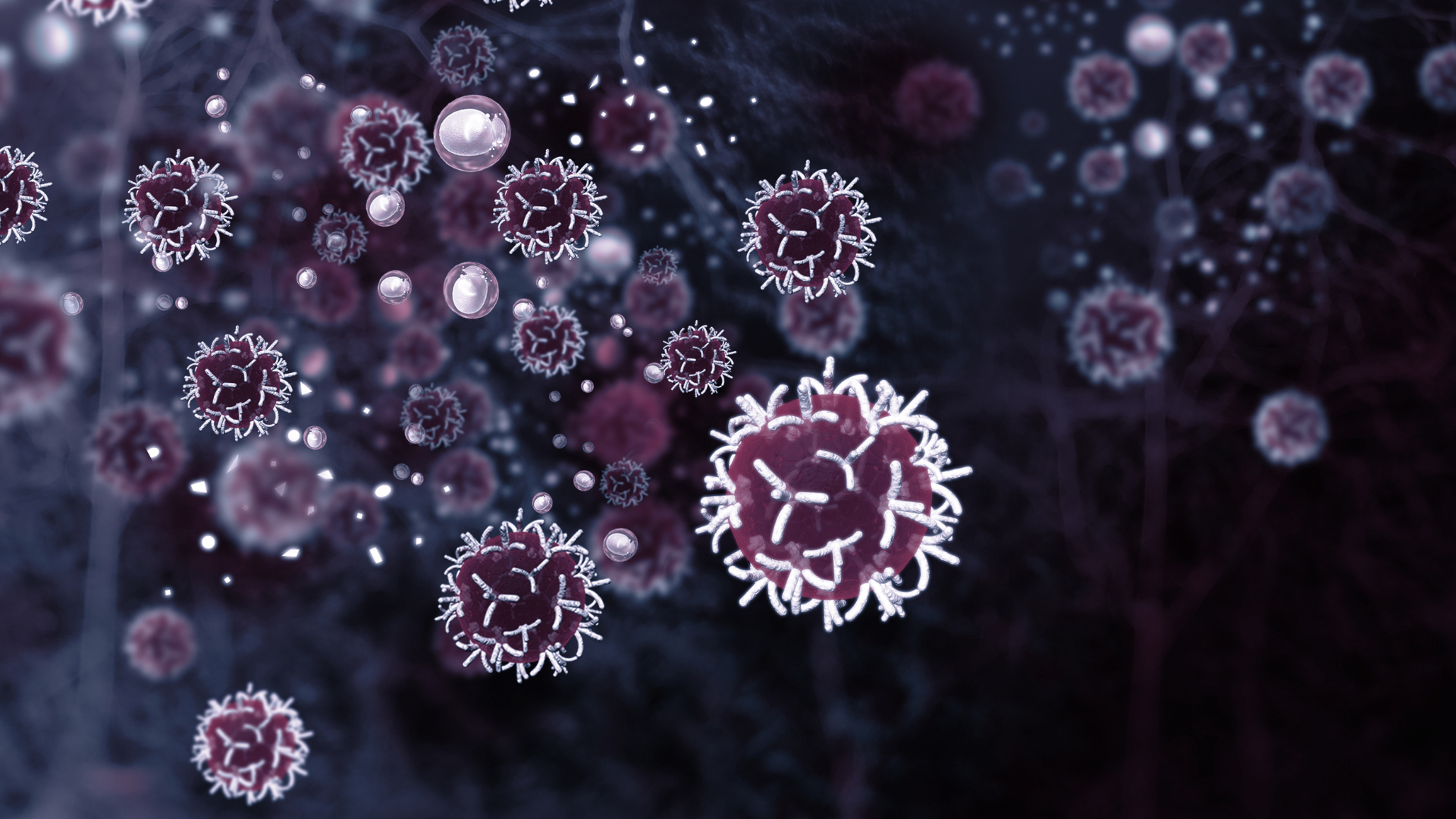
Stem cells once held center stage in regenerative science. But research revealed that the real “workhorses” are exosomes—tiny vesicles that deliver instructions to other cells.
- Stem cell exosomes extend benefits far beyond the lifespan of transplanted cells, stimulating the body’s own repair systems.
- Natural killer (NK) cell exosomes go further, targeting cancer cells and senescent “zombie” cells without harming healthy tissue. This makes them a potential game-changer in both oncology and longevity medicine.
By leveraging the body’s own biology, exosomes hold promise for disease prevention, cancer remission support, and healthy aging.
Explore related conversations on the ANEW Insight Podcast.
Breaking Down the Controversy
Stem cell therapies in the U.S. have long been clouded by myths—such as fears that they derive from aborted fetuses. Dr. Gross emphasized that today’s donor sources are strictly regulated, drawn from healthy mothers delivering by planned C-section under FDA oversight.
So why the resistance? According to Dr. Gross, financial and political interests play a larger role. Pharmaceutical and implant companies profit from chronic treatments and surgical hardware, and regenerative medicine threatens those business models. Meanwhile, Europe and Asia have embraced exosome therapies for over two decades.
Cancer, Inflammation, and the Role of Lifestyle
Dr. Gross pointed out that genetics account for less than we think. Instead, epigenetic factors—diet, stress, sleep, and environmental exposures—drive chronic inflammation and weaken the natural killer cell system that protects us from cancer.
Key inflammatory contributors include:
- Refined sugar and alcohol—two of the strongest triggers of cellular damage.
- Processed animal proteins—especially when raised with pesticides, hormones, or poor feed.
- Lifestyle imbalances—poor circadian rhythm, chronic stress, lack of hormetic practices like fasting or sauna.
This perspective aligns with nutrition research suggesting that lower animal protein intake, plant-based diversity, and mindful living may reduce cancer risk and slow biological aging.
Why Zombie Cells Must Go
Senescent cells often called “zombie cells” are aged, dysfunctional cells that linger in the body. Instead of dying off through apoptosis, they leak inflammatory chemicals, accelerate aging, and increase disease risk.
Natural killer cell exosomes selectively remove these zombie cells. Research shows their effects can persist for up to two years, improving both longevity markers and immune resilience. Combined with fasting, exercise, and plant-based phytonutrients, exosomes may represent one of the most powerful tools in anti-aging science.
Looking Ahead: Exosomes in Cancer and Longevity Care
Although the FDA currently restricts marketing claims, early science shows that exosomes can penetrate solid tumors and target cancer cells in ways conventional treatments cannot. Future care might look very different: localized exosome injections paired with IV infusions to prevent tumor spread—potentially replacing invasive surgeries.
Exosomes don’t just promise cancer treatment breakthroughs—they may redefine how we age. By clearing zombie cells, reducing inflammation, and restoring immune function, they offer a blueprint for health span, not just lifespan.
Key Takeaways
- Regenerative medicine is shifting the paradigm from invasive surgery to biologics that work with the body’s own repair systems.
- Exosomes are central players, delivering targeted instructions to heal, regenerate, and eliminate harmful cells.
- Controversy is fueled by profit interests, not science—Europe and Asia are already decades ahead.
- Lifestyle and diet remain powerful epigenetic levers, with sugar, alcohol, and chronic stress among the greatest risks.
- Zombie cell removal is critical to longevity, and exosomes may be one of the most effective tools available.
Put This Into Practice
- Reevaluate your diet: reduce refined sugar, processed animal proteins, and alcohol while increasing plant-based diversity.
- Incorporate hormetic stressors like fasting, sauna, or cold exposure to build resilience.
- Stay informed about regenerative therapies and ask your clinicians about evidence-based options beyond conventional care.
- Begin your own wellness journey with the Deprogram Diet Culture course.
🎧 Listen to the full conversation with Dr. Jeff Gross on the ANEW Insight Podcast.
📘 Learn how to transform your relationship with food in my book Deprogram Diet Culture.
Here is the Full transcript:
Dr. Supatra Tovar: [00:00:00] Hello and welcome to the ANEW Insight podcast. I am Dr. Supatra Tovar and I am thrilled to have board certified neurosurgeon and visionary founder of ReCELLebrate Dr. Jeff Gross with us today. Dr. Jeff. Welcome.
Dr. Jeff Gross: Thank you so much for having me. It’s my pleasure.
Dr. Supatra Tovar: Yes, I cannot wait to pick your brain on this revolutionary cancer treatment.
Dr. Supatra Tovar: I’m gonna read a little bit about Dr. Jeff before we get started, and then we’ll jump right into our questions. Does that sound good?
Dr. Jeff Gross: Absolutely.
Dr. Supatra Tovar: Okay. Dr. Jeff Gross is a board certified neurosurgeon and the visionary founder of ReCELLebrate, a cutting edge regenerative medicine clinic that bridges the gap between traditional medicine and cellular innovation.
Dr. Supatra Tovar: After decades in conventional neurosurgery, Dr. Gross transitioned into the frontier of stem cell and exosome therapies becoming a pioneering figure [00:01:00] in the use of activated natural killer cell derived exosomes for cancer treatment and immune optimization. He is one of only a handful of specialists in the world with access to these potent exosomes,
Dr. Supatra Tovar: tiny biological messengers that are revolutionizing oncology and longevity science by selectively eliminating cancer and senescent zombie cells while preserving healthy tissue. At ReCELLebrate Dr. Gross blends personalized precision medicine with breakthrough biologics to help patients not only survive, but thrive beyond diagnosis, restoring vitality, and extending health span.
Dr. Supatra Tovar: Oh my goodness. So, you know, you’ve done a little in your career, I can see.
Dr. Jeff Gross: I don’t know who that guy is, but he sounds like a real nerd to me.
Dr. Supatra Tovar: Yeah, he is really, really nerdy. Oh my [00:02:00] gosh, Dr. Gross. Seriously, this is some really exciting stuff
Dr. Jeff Gross: Yeah.
Dr. Supatra Tovar: On this podcast, we always love to talk about inspiration. What brought you into this field? So before you became a pioneer in regenerative medicine, you were an established neurosurgeon. Share more about that personal journey and the professional journey and what ultimately inspired you to shift into stem cell and exosome based therapies.
Dr. Jeff Gross: Well, stumble is right. It was somewhat accidental, but I attribute the, the reason for the journey, the transition was my patience. I was you know, one of the first spine fellowship trained neurosurgeons in Southern California for many years and, in Orange County and beyond. And what we have in the spine for treatments is very limited.
Dr. Jeff Gross: We have therapy, we have time, we have anti-inflammatories, we have injections like epidural injections, for example. [00:03:00] And then we have surgery, which is a big jump from all those other things, right? Because the surgeries are sometimes pretty big and open. Not all of them, but it had always been my goal to only do surgery on the people that absolutely had to have it.
Dr. Jeff Gross: So there were, there were these basket of patients that weren’t ready for surgery, great, but also weren’t getting the results from those other non-surgical treatments. They were kind of caught in that gap, if you will. And they would come to me and say, well, I, I still got the pain. I can’t play racquetball, I can’t do this, I can’t do that, but I’m not ready for surgery.
Dr. Jeff Gross: What else you got doc? You got crystals, you got you know, you know, lasers, you got stem cells, you know, what do you got for me, doc? You know, so. Chance favors the prepared mind. And luckily, in my undergraduate days, a few years back, I might say I studied molecular biology and biochemistry, which is really the stem cell field. And I know a lot had happened in those years. I followed the Christopher Reeves story [00:04:00] and the research at that you know, the facilities that were sponsored by a lot of the, the, the donations that went into that thereafter. And I said, you know what, it’s been a while. And I loved that topic back then.
Dr. Jeff Gross: I just so got so busy becoming a neurosurgeon and doing that kind of thing. So I went back one year and instead of going to the annual neurosurgery meetings where the same guys pat themselves on the back for doing the same thing that was done 20 years and 40 years, and six years ago, I, you know, I open-mindedly, you know, put the Kool-Aid down.
Dr. Jeff Gross: And I went to these meetings and I started learning about stem cells again and. What has happened in regenerative medicine, stem cells, stem cell derived exosomes, PRP, natural killer cells, all these things. And it just, it was sort of a reawakening and I got reinterested in these things and started retraining, reeducating and applying this for my spine patients.
Dr. Jeff Gross: But it has blossomed into so much more than that that I do [00:05:00] spine as just something that comes often and easy to me and everything else is really, really interesting now. So that’s, that’s, sorry. The long version, if you will.
Dr. Supatra Tovar: Okay, so you just rattled off a bunch of other things besides exosomes, and I know what PRP is, but can you explain just a little bit more so people are understanding the, you know, stem cell types of therapies, and then let’s really just talk about exosomes. What are they and how are they used?
Dr. Jeff Gross: Well, I wanted to include the whole basket of regenerative medicine when I was mentioning that, so people understood where this fit. We have PRP, which is the low end, which is from your own blood. We have stem cells, which can come from your body and from someone else’s body, donor. But we’ve learned that the work of stem cells, in fact, of any cell, but particularly of stem cells in this category come. The business end of stem cells come from these smaller cell to cell communicating factors called [00:06:00] exosomes. And what we really mean is stem cell derived vesicles, smaller particles, smaller even than cells by about 1000, 1/1000th. These small communicating particles are doing the work of the stem cells. So, if I gave you stem cells today in your vein, you came in and said, I’d like some stem cells, please. And we put some in your vein, for whatever reason we decide they’d be gone outta your body in 10 to 14 days. I. But the benefits would last longer and perhaps some of them even permanently. And why is that?
Dr. Jeff Gross: Because those stem cells have delivered to you, their communicative, activating messages to your cells, and your cells do the work. And that’s what’s so cool about regenerative medicines. We’re tapping back into your own natural biology. So for short, we call these stem cell derived exosomes. We call ’em just exosomes. When we refer to exosomes, we’re really referring to the stem cell ones. Then aside from that, we have some even more fancier ones that have come up very recently. That’s the natural [00:07:00] killer cell derived exosomes?
Dr. Supatra Tovar: So explain that to me and just so I help our listeners, PRP is platelet rich plasma. Correct? Okay. So tell us a little bit more about the natural killer exosomes and then I wanna ask you maybe a little bit of controversial questions after that.
Dr. Jeff Gross: Okay, great. We like those. They’re interesting. Well, natural killer cells. Are a part of your, our immune system, right? Our white blood cells and probably less than 5% of our immune system is made up of these cells. So of your blood, it’s even a smaller percentage of your entire blood. ’cause we have red cells in there too, and platelets and other things.
Dr. Jeff Gross: So it’s a very, very small percentage of our system and it’s part of our natural surveillance and security system. These cells go throughout the body. naturally kill, naturally remove abnormal cells that we’re not supposed to have like cancer cells. And yes, during our lifetime we make accidental cancer cells, [00:08:00] but this system removes them selectively and they never become a problem
Dr. Supatra Tovar: Mm-hmm. Mm-hmm.
Dr. Jeff Gross: And they also remove these natural killer cells remove senescent cells. Senescent cells are cells that have duplicated a number of times, completed their job, but they’re hanging around. They’re big and bloated and boggy. They leak, you know, kind of pro-inflammatory chemical communicators, and they take up resources, but they’re not contributing
Dr. Jeff Gross: to the cause.
Dr. Supatra Tovar: Mm.
Dr. Jeff Gross: they’re an aged cell population and the more you remove them, the l, the more youthful your cells are and therefore the more youthful you are. And that’s why people sort of tend to age biologically at different rates,
Dr. Supatra Tovar: Mm.
Dr. Jeff Gross: Well, it turns out that people with cancer are found at that time to have a lower number and lower function of their natural killer cell system. Now, I didn’t say that as a cause, but it’s certainly at least a correlation.
Dr. Supatra Tovar: Mm-hmm.
Dr. Jeff Gross: You reduce your ability to remove [00:09:00] cells and then they, they win, they,
Dr. Supatra Tovar: Mm-hmm.
Dr. Jeff Gross: a tumor, they can circulate, what have you. So it turns out that you can give back to someone some enhanced natural killer cells. But just like the stem cell story. You can also just give them the natural killer cell mechanism, which are the exosomes. And those exosomes are very special. They carry enzymes in them that identify and go into abnormal cells, cancer cells, senescent cells, aka a zombie cells, they degrade them. They remove them, they kill them selectively.
Dr. Jeff Gross: They do not harm normal cells. They do not appear to have side effects, and this is an off the shelf kind of groundbreaking. either augmentative thing we can do for people for cancer care to help them with maybe stay in remission if they’re at high risk, maybe they have a BRCA gene problem, maybe something they’ve had cancer, they wanna stay in remission, maybe they wanna bolster their immune system in between cycles. Maybe they’re looking for a natural alternative and then. [00:10:00] There is evidence, there is research that shows if you give NK cells natural killer cells for short or the exosomes, you can actually reduce the age related markers from the senescent cells, so it has potential for longevity assistance and
Dr. Supatra Tovar: preventative care.
Dr. Supatra Tovar: Yeah. Yes. And we’re definitely gonna get into that a lot more in the second half of this podcast. But I did wanna touch on controversy. You know, there was so much political turmoil and you know, questions and controversy regarding stem cells. Where are we at now?
Dr. Jeff Gross: Yeah, the, the controversy is controverted, meaning it’s only inserted to create this narrative. And it’s probably coming from those who have everything to lose when people figure out how good regenerative medicine can be for us
Dr. Jeff Gross: Hmm
Dr. Supatra Tovar: Because
Dr. Jeff Gross: our bodies have been using it all the time.
Dr. Supatra Tovar: hmm.
Dr. Jeff Gross: those people?
Dr. Jeff Gross: Well, they’re big pharma and the political arm that’s kind of bought [00:11:00] and sold by big pharma big implant companies. ’cause we do a lot of joint and spine care with regenerative medicine and people that sell metallic knee implants and spinal hardware don’t want it out there. That there are lots of other options that’ll significantly take a bite out of those income into those corporate incomes.
Dr. Jeff Gross: So, that’s, there’s no controversy. The, the studies, the science is behind this. In the US we are behind the, the times they’ve had this in Europe and in Asia for 20 years plus. So it’s, it’s here, it’s working. The science is behind it. We have evidence-based medicine and it’s just late. We’re late to the party.
Dr. Supatra Tovar: Wow. And why? Why are we late? Is it because of these kind of financial interests? That’s the only reason why, and. I think they’ve also tapped into a certain population that has protests that are religious based?
Dr. Jeff Gross: I don’t think that those, those, you know, the, the [00:12:00] embryonic myth is that these come from aborted fetuses and things like that. There, there’s actually nothing I’ve ever seen to support that. So our, our donor sources are highly regulated by the FDA. They go through a rigorous screening process.
Dr. Jeff Gross: These are mothers who are delivering by planned C-section. They’re screened in the early trimesters. They are on prenatal vitamins. They are not drinking smoking drugs. They have one romantic partner only during the pregnancy. They are not covid vaccinated. And and that’s not a political statement, although it could be.
Dr. Jeff Gross: What it really means is we’re just not sure. So why take the risk right now?
Dr. Supatra Tovar: Mm-hmm.
Dr. Jeff Gross: that could impact. So, this, this is a very, you know, regulated and proper process. It is moral, it is ethical, and anything you might hear to the contrary is again, part of that, narrative that certain people don’t want this to flourish at the rate it seems to be [00:13:00] flourishing.
Dr. Supatra Tovar: Wow, that, that’s such a shame because it just seems like this is so promising for so many people. I mean, cancer is just one of the, the highest, rated diseases in the world. And we have not had, I think, effective therapies, especially in the US for a long time. But you’re saying that it was, , it’s been, it’s been used in Europe and Asia for a long time, and is that where the bulk of the science backing this comes from?
Dr. Supatra Tovar: Which countries are using this the most?
Dr. Jeff Gross: Well, I’d say China and Korea are way ahead of us. South Korea,
Dr. Supatra Tovar: Oh, wow.
Dr. Jeff Gross: they are pushing the envelope at and we can’t barely keep up with them.
Dr. Supatra Tovar: Mm-hmm.
Dr. Jeff Gross: In fact you know, a year ago we did not have the natural killer cells and natural killer cell exosomes, here in the us. So the, the two locations where they were available were in parts of Europe and in China.
Dr. Jeff Gross: And I had been communicating with different labs, seeing where we could. We could, [00:14:00] you know, be the first to obtain them. So
Dr. Supatra Tovar: Mm-hmm.
Dr. Jeff Gross: We were able to get them from Europe.
Dr. Supatra Tovar: And the body will take them even if they’re not made endogenously.
Dr. Jeff Gross: Yeah. I mean, luckily exosomes are fairly neutral to the body. They’re naive. They don’t have the type of cell markers or surface markers to identify themselves as foreign. They don’t need to be matched, if you will. In
Dr. Supatra Tovar: fact
Dr. Jeff Gross: stem
Dr. Supatra Tovar: Hmm.
Dr. Jeff Gross: stem cells don’t require that either. They have a few more markers on them, but they’re also immunoprivileged or immunomodulatory, meaning the immune system welcomes them in. Since they haven’t been assigned a job yet,
Dr. Supatra Tovar: Mm-hmm.
Dr. Supatra Tovar: Wow. That is amazing. Well, I’m gonna ask you some more questions about that, but first I really wanna find out from you, you said that a lot of people with cancer have lower levels of these NK cells.
Dr. Jeff Gross: right?
Dr. Supatra Tovar: What are some of the reasons that you know of in terms of science as to why people with cancer may have fewer of those NK cells?
Dr. Supatra Tovar: Is it genetic? Is [00:15:00] it environmental? Is it diet?
Dr. Jeff Gross: I, I feel that based on what I’ve read in science scientifically and what I’ve seen, that genetics probably does not play a large role. That this is mostly what we call epigenetic
Dr. Supatra Tovar: Mm-hmm.
Dr. Jeff Gross: affecting the genes, and that includes. Inflammatory exposure to the world. So diet, nutrition, supplementation, sleep, hormesis, which for, for those listeners, if they haven’t heard that word, it means a slight stress on the body cells to build resilience like fasting or circadian feeding or hot sauna or cold plunge or high intensity exercise. And also, you know, exercise in general. And, and mindfulness and, and just reducing stress in general. So all of these things play a role in how fast our body is exposed to inflammation in the world, its own inflammation
Dr. Supatra Tovar: Oh, wow.
Dr. Jeff Gross: and this we really mean chronic inflammation.
Dr. Supatra Tovar: Mm-hmm.
Dr. Jeff Gross: So this is the [00:16:00] smoldering pro oxidation, rusting of the body’s cells and it damages them and it, it’s really related to aging and perhaps why we age at different rates and why we are supposed to avoid, you know too many electromagnetic fields and things like that because that affects our stem cell activity, our regular cell activity, and in our natural killer cell activity also.
Dr. Jeff Gross: So I have a feeling the same things that affect people and their rates of cancer affect people and their, function and numbers of natural killer cells and the stem cells in general.
Dr. Supatra Tovar: Why do you think that the majority of messaging out there in terms of cancer focuses on genetics? When we have really seen through science that it is epigenetically oriented. We still see this so often in the media that, you know, it’s, oh, if you have you know, a mother with breast cancer, [00:17:00] you should go ahead and you know, remove your breasts just in case this will be turned on when we know that something else has to turn the cancer on.
Dr. Supatra Tovar: It’s not the genes themselves.
Dr. Jeff Gross: Well there are oncogenes, right? These are cancer genes, and they do create a risk factor for cancer, right? We, like I mentioned earlier, BRCA, there are many others. Some of them are virally inserted.
Dr. Supatra Tovar: Mm-hmm.
Dr. Jeff Gross: But if you had a more active natural killer cell, you might be able to remove those those activated oncogenes when they pop up. Right? the multiple hit hypotheses where you have one gene that’s questionable and then another, you know, mutation comes along. And a lot of those mutations are caused by epigenetic factors,
Dr. Supatra Tovar: environmental factors
Dr. Supatra Tovar: Mm-hmm. Mm-hmm.
Dr. Jeff Gross: I think epigenetics is our one thing we can do to influence, mitigate the risk of cancer and really make a difference because you can’t change your gene genes that easily.
Dr. Jeff Gross: Now we now have technology to change your genes, but we’re learning more about it [00:18:00] and how to do it safely. And it’s, the regenerative medicine stuff, I think is, is more natural and probably easier to apply at this juncture than, you know, gene therapy for cancer. Although it’s, it’s coming and it’s coming fast.
Dr. Supatra Tovar: Hmm. Well, can you give our listeners an idea of. In terms of diet, this is my area that I’m really interested in diet and nutrition. What are the, you know, kind of inflammatory foods that you might know in the, in the research that contribute more and more to cancer? And we also know alcohol plays a big role as well.
Dr. Jeff Gross: Is probably one of the most pro-inflammatory toxins of sorts that we all are exposed to refined sugar specifically.
Dr. Jeff Gross: Now, if you have some type of poor response or allergic response to other food items like gluten, then, then yes, if you have gluten in that setting, you are going to stimulate [00:19:00] your inflammatory system. And then you’ll have all these sort of, you know your activities are, your cell activities are in fighting that inflammation and not in normal maintenance and surveillance, which is really what you want.
Dr. Supatra Tovar: Hmm. I have actually read a lot about animal protein being you know, a great contributor to cancer proliferation. What have you read in terms of that?
Dr. Jeff Gross: Yeah. And I, I know I listened to a podcast of yours earlier today, and I heard you talk about a guest with that. I, I, I am a fan of of animal protein. What I’m not a fan of is animal proteins that have been eating you know, grain that have been eating grains with pesticides,
Dr. Supatra Tovar: Mm-hmm.
Dr. Jeff Gross: and or, you know, not taken care of in a very natural and organic way,
Dr. Supatra Tovar: Mm-hmm.
Dr. Jeff Gross: or injected with hormones or, you know. processed in brine or something like that. So a lot of the chicken, for example.
Dr. Supatra Tovar: Mm-hmm.
Dr. Jeff Gross: We need protein. We are carnivores, we are [00:20:00] nitrogen based life forms, with a carbon exoskeleton. So we’re not carbon based. We’re really nitrogen based. Without nitrogen.
Dr. Jeff Gross: We’re nothing just like plants.
Dr. Supatra Tovar: Mm-hmm.
Dr. Supatra Tovar: We
Dr. Jeff Gross: need our protein and it’s, it’s it’s very difficult for vegetarians and vegans to get high quality, diverse branch chain amino acid proteins, you know, they have to really work at it. .
Dr. Supatra Tovar: Well, I think I would probably disagree in certain areas. And I think that the the research done by T Colin Campbell, what we’re seeing from Caldwell Esselstein, what we’re seeing from Dr. Dean Ornish in terms of cancer proliferation in general, when people do drastically reduce, not necessarily even eliminate, but have about five to 10% of their protein coming from animal sources and the rest coming from plant sources we see a lot fewer cases of cancer.
Dr. Supatra Tovar: So I think maybe it’s an in-between place, not a one or the other.
Dr. Jeff Gross: I would agree with that. I think that’s fair. I, I think [00:21:00] this, you know, I’ve seen some of those studies and, and they do speak to the pro-inflammatory nature of protein in animals and animal meat, but some of those, some of those meat consumptions weren’t controlled by where they got the meat and what type of meat.
Dr. Jeff Gross: So we’re gonna have to do a better job of studying that to really know the, it’s done. Right.
Dr. Supatra Tovar: Yes, absolutely. But I think that T Colin Campbell’s research was done in rural China where they did not have some of the difficulties that we have with big agriculture here. So I think it really, in terms of his science comes down to the protein itself. And, and, the amount that is in our diet, but certainly what you mentioned, diet inflammation, sleep, stress,
Dr. Supatra Tovar: a lack of mindfulness, those kinds of things. You know, not being in alignment with your circadian rhythm. All of that contributes to inflammation. So we should be looking at it on the whole, and certainly people want to try to avoid cancer they should really [00:22:00] look at inflammation in general in their bodies, correct?
Dr. Jeff Gross: Agreed, a hundred percent.
Dr. Supatra Tovar: Yes. So you know, your work highlights that exosomes can eliminate zombie or senescent cells. And I know you talked about it somewhat, but go into a little bit more as to why these zombie cells are so harmful to our health.
Dr. Jeff Gross: Well, they are basically just a source of inflammation, so they’re, they’re abnormal to our ourselves internally. We’re supposed to clear them out through a process where the cells die and the parts get recycled. That’s called apoptosis. But some cells are able to you know, evade that system and they just, they sneak around, sit on your couch eating potato chips and they take up your nutrients and they put back inflammation into the system.
Dr. Jeff Gross: So you gotta get rid of ’em any way you can. There are other ways to get rid of ’em. Just to be clear, you can fast. You can exercise. These are other ways. There are other supplements and nutrients that support their removal, [00:23:00] other phytonutrients. But NK cells are, are notoriously good for removing these.
Dr. Jeff Gross: And, and that’s been demonstrated in through these age-related markers, which are senescent cell enzymes. I can’t remember one of the galactosidase enzymes was
Dr. Supatra Tovar: I.
Dr. Jeff Gross: and, could persist. If you have a, natural killer cell infusion that can persist, the benefits pers persist for up to two years.
Dr. Jeff Gross: Some, in some
Dr. Supatra Tovar: cases
Dr. Supatra Tovar: Wow. Wow, that’s amazing. And just let me know too, is this effective for all types of cancer or is it more effective in certain types of cancers?
Dr. Jeff Gross: we’re not allowed to make any claims yet because the FDA has not approved any marketing claims for, for what’s, what’s effective. But the, the science and the research shows that many different types of cancer both in humans, in animals, and also in Petri dishes, in, in vitro,
Dr. Supatra Tovar: Mm-hmm.
Dr. Jeff Gross: both injected into solid tumors and just in the, in the fluid in the Petri dish or in the [00:24:00] circulating blood of the animal,
Dr. Jeff Gross: or human has shown to remove various different kinds of tumor cells.
Dr. Supatra Tovar: Mm-hmm.
Dr. Jeff Gross: One of the beauties of these exosomes is they travel through the solid tumors better. So maybe there’s a day where you don’t have a mastectomy, right? You have some other localized treatment that’s injected and, and, and then you also have an intravenous to catch any circulating cells. To help prevent, you know, a tumor spreading or setting up somewhere else. That’s, that’s really the concept here.
Dr. Supatra Tovar: That’s amazing. It’s localized, direct, much less invasive. This is incredible. Well, we are going to delve more into this and delve into longevity science, which is so interesting to me. All of this is so interesting. But we’re out of time for this half of this episode. So thank you so much Dr. Jeff for coming onto this half and you’ll be joining us for the second half.
Dr. Jeff Gross: My pleasure. Of course.
Dr. Supatra Tovar: Yes, so tune in next time for the second half of this amazing episode with board certified [00:25:00] neurosurgeon and the visionary founder of ReCELLebrate Dr. Jeff Gross.
Recent Comments