Dr. Tatyana El-Kour on Teens, AI, Weight-Loss Culture, and Reclaiming Self-Trust
In Part Two of my conversation with Senior Psychology Research Fellow and registered dietitian nutritionist Dr. Tatyana El-Kour, we explored how social media, AI algorithms, and diet culture are quietly reshaping how we experience food, body image, and self-worth — especially for young people.
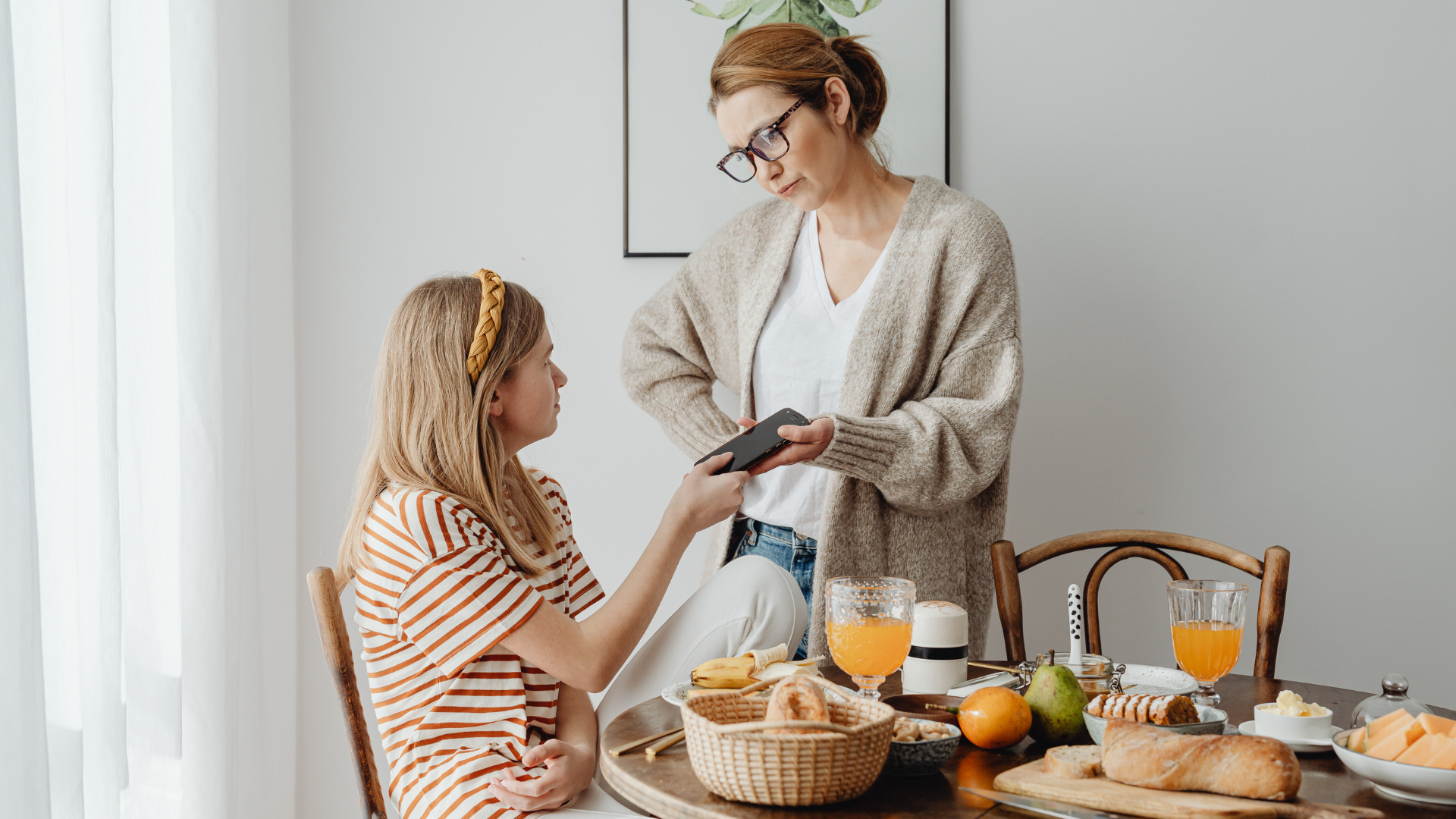
Dr. El-Kour explained something that struck me deeply: food is no longer just nourishment — it has become identity. Teens aren’t just eating meals; they’re comparing portions, fasting streaks, body shapes, and even how many likes their posts receive. Self-worth is increasingly measured by engagement metrics rather than how someone actually feels in their body.
How Social Media Impacts Body Image and Self-Worth
Social platforms can sometimes uplift culture — teens sharing traditional meals with pride — but those same platforms often amplify unrealistic beauty standards and dangerous dieting content. Research shows repeated exposure to these images raises body dissatisfaction and the risk of disordered eating.
Dr. El-Kour described how scrolling can slip into competition around extreme behaviors — comparing who fasted longer, ate less, or restricted more. Over time, what once seemed shocking becomes normalized. Curiosity becomes internalized disorder.
AI, Algorithms, and the Normalization of Harmful Trends
AI algorithms don’t distinguish between inspiration and obsession. They simply amplify emotional engagement — particularly shame, fear, and anxiety. This means that once a teen watches diet or fasting content, their feed begins delivering more of the same, reinforcing extremes of restriction or binge-style entertainment instead of balanced guidance.
The emotional feedback loop keeps viewers seeking more content, not greater health.
Weight-Loss Medications and the “Miracle Fix” Myth
We discussed the cultural explosion of GLP-1 weight-loss medications, now marketed across social media as simple solutions — one injection replacing real health work. In reality, these drugs don’t work for everyone and can come with serious physical risks and profound emotional fallout.
When medications fail to deliver promised results, people often internalize blame. The message becomes: I tried everything and still failed. This deepens shame and disconnection — exactly what diet culture feeds on.
Tracking Apps and the Push Toward Perfection
Nutrition and fitness apps can feel empowering for some people, but for many — especially teens and those vulnerable to eating disorders — they become vehicles for anxiety and control. Logging turns into moral judgment. Streaks reward restriction rather than nourishment or rest.
AI intensifies this pattern by pushing increasingly extreme content based on emotional reactions rather than wellbeing.
“What I Eat in a Day” and Cultural Disconnection
Influencer food videos can inspire when they show balance and cultural diversity — but they often create unrealistic standards. Many portray tiny portions or rigid rules detached from everyday access or cultural relevance. Viewers begin to believe they must eat exactly like influencers to be “healthy,” fueling frustration and self-criticism.
Dr. El-Kour shared her own daily eating pattern as a beautiful counterpoint — rooted in Arabic cultural traditions: balanced breakfasts with bread, eggs, olive oil, fruit snacks, family lunches with rice or bread and vegetables, legumes or meats, and simple desserts enjoyed without guilt. The most powerful element wasn’t the food itself — it was connection, pleasure,
Body Filters and the Digital Beauty Divide
Filters and virtual body modification deepen the split between how people look online and how they feel offline. Many teens feel beautiful only behind a filter and withdraw from showing their natural bodies. This disconnect fuels isolation, shame, and body dissatisfaction.
Dr. El-Kour emphasizes leading with curiosity rather than control — helping young people question what they see, how it makes them feel, and how much of it reflects reality.
Reclaiming Trust With Food and the Body
Our conversation returned again to a simple truth: real health begins with body trust.
When we honor hunger cues, eat mindfully, slow down, and reconnect with pleasure and cultural traditions, our bodies naturally return to balance. This isn’t about control — it’s about partnership with the body instead of war against it.
Want to Know more about the Guest Dr. Tatyana El-Kour here are her social media links https://www.instagram.com/tatyanaelkour/ , https://www.facebook.com/tatyana.elkour, https://x.com/tatyanaelkour , https://www.youtube.com/channel/UC7EU2bkPx_mN7fkAAgBf2UQ , https://www.linkedin.com/in/tatyanaelkour/
A Path Forward
Researchers, clinicians, educators, and policymakers all have roles to play — advocating for tech accountability, expanding media literacy, and bringing real science back to public platforms.
Until systems shift, our daily choices matter deeply:
- Curate social feeds that support peace, realism, and joy.
- Question “miracle fixes” and perfection narratives.
- Return to food as nourishment, connection, and culture — not performance.
Dr. Tovar’s Perspective
I see every day how diet culture, AI feeds, and weight-loss marketing keep people stuck in cycles of confusion and shame. Healing doesn’t come from chasing the next fix — it comes from rebuilding trust with the body and dismantling the myths that have separated us from ourselves.
That’s exactly why I created Deprogram Diet Culture — a science-based program designed to help you step out of restriction cycles and return to sustainable wellbeing.
Continue Your Healing Journey
- Course: Deprogram Diet Culture — science-based, trauma-informed healing
➡️ anew-insight.com - Read the full framework
- Book: Deprogram Diet Culture (print, Kindle, Audible)
- Listen to the ANEW Insight Podcast Weekly conversations on psychology, nutrition, trauma, embodiment, and real healing.
View here the full podcast Transcript:
[00:00:00]
dr–supatra-tovar_2_09-10-2025_113424: Welcome back. We are back for the second half of our interview with Senior Psychology Research Fellow and registered dietician, nutritionist, Dr. Tatyana El-Kour. Tatyana gave us some really amazing and so valuable insight into her inspiration, into her abilities to understand what’s happening right now with AI, how it’s influencing us, and how social media has basically shifted and changed our eating styles and behaviors.
I am so excited to learn some more from her. Tatyana, welcome back.
dr-tatyana-el-kour_2_09-10-2025_213424: Thank you.
dr–supatra-tovar_2_09-10-2025_113424: So, uh, you know, we were talking about this a little bit in our last half, but so many young people are immersed [00:01:00] in social media and from a very early age and not to age myself, but I did not grow up with social media and I am actually pretty glad I didn’t. How do you see these platforms influencing the relationship with food, body image, and self worth?
dr-tatyana-el-kour_2_09-10-2025_213424: As I uh mentioned earlier Supatra, the food is no longer just nourishment, you know, it’s identity. So teens compare plates, portion sizes, even fasting streaks. And, you know, the likes becomes measures of worth. The, the hearts become measures of worth. Even the shares become measures of worth. So some reclaim culture, uh, with, with pride, you know, I’ve seen Lebanese teens posting about Manish, uh, which is, uh, uh, a dough with olive oil and thyme.
You have Korean students even showcasing some, you know, kima. Or Mexican youth highlighting [00:02:00] tortillas, but other, uh, you know, internalized even impossible ideals. So research shows us that social media exposes, uh, or exposure raises, body dissatisfaction and disordered eating risk among adolescents. So while this is, uh, uh, a measure not for nourishment, it’s meant for culture and pride and self-worth, the, the self-worth stems more from the interaction with media.
So it stems from the likes, uh, and, and the feeling that comes with it. The, so the same platform that can celebrate your culture can also erode your confidence depending on what gets amplified.
dr–supatra-tovar_2_09-10-2025_113424: Exactly. So talk to me a little bit about body image and self-worth.
dr-tatyana-el-kour_2_09-10-2025_213424: Mm-hmm.
dr–supatra-tovar_2_09-10-2025_113424: What kind of influence is out there for anybody struggling with body image and self-worth? What do people tending to be drawn toward?
dr-tatyana-el-kour_2_09-10-2025_213424: So I think with body image and self-worth, we need really need to look into the, the, the [00:03:00] backing of a, of a person. If, if if people, some people are prone to eating disorders more than others, the vulnerability piece comes into play and also the cultural piece comes into play. So the contextual, the context matters.
And so if we want to talk about the impact of technology, you know, as I’ve mentioned earlier, videos light up your, your, the same reward circuits if you are looking at somebody who is starving herself or who is giving you some tricks of, of trade, you know, how do you hide food from your parents or from your teachers or from from your healthcare provider?
Or how do you abuse medicine? Or how can you mix and match some medicines in order not to get fat, but to manage your psychology and also your mood, uh, without food, um, irrespective of whatever trend you are exposed to, there are groups that would magnify that. So again, people, viewers are immersed [00:04:00] in that culture and they are triggered again and again without really feeling satisfied.
They still feel they’re missing something. And so that missing piece is, is, is even feeding, it’s eroding their confidence and their self-worth. They, so they feel worthless if they are not watching or they feel worthless if they are not doing the act and if they’re not doing it enough, and if they’re not, if they’re not watching enough compared to others.
And, and so I have worked with some teens who, you know, I haven’t fasted enough. It’s been only six days that I’ve not eaten. And some others have done it for 12 days. And so over time, this is normalizing the, the, the disorder and, and normalizing the, the eating, uh, disorder as well. And, uh, the distortion becomes normal and even the normal becomes a benchmark, and the benchmark increases as they are exposed to even more severe content.
So with, again, with that piece is. Again, the exposure is [00:05:00] increasing the internalization, so they’re not satisfied with what they continue to see. They want to see even more horrific episodes, and that would lead them into another phase of, uh, of, of the disorder.
dr–supatra-tovar_2_09-10-2025_113424: Wow. Oh, it’s so scary. And I think right now we’re also in the age of, you know, the kind of weight loss medication adoption. I mean, we know that these medications were originally designed for people with type two diabetes and trying to manage, uh, difficult uncontrolled cases, but now diet culture’s really taken on those medications and made them weight loss medications. Um, are you seeing anything in that realm?
dr-tatyana-el-kour_2_09-10-2025_213424: Yes, yes, absolutely. There’s a huge abuse even on the medication access. And, and I think the key, the key thing here is, you know, we, we’ve discussed how, how algorithms work. You know, they, they basically, they, they watch your [00:06:00] behavior, they monitor it, but then the algorithms also amplify whatever steers the strongest feelings.
So there’s the emotion and cognition piece. So pride or shame or anxiety, they, without distinguishing inspiration, for example, from obsession.
dr–supatra-tovar_2_09-10-2025_113424: Mm-hmm.
dr-tatyana-el-kour_2_09-10-2025_213424: So that piece is, is, is, is, is also critical to, to distinguish. So with GLP ones with those medications, they give you the promise, right? In a, in, in a single shot. So, so people.
They’ve, they’ve already, you know, they became obsessed. It’s like a single shot. I don’t even have to do exercise. I don’t have to bother about my eating. I don’t have to learn about anything. It’s just a simple injection and I live my life. And, uh, and while we appreciate science and evidence and also getting more.
Newer medications, we have to be very careful that those medications don’t work for everyone.
dr–supatra-tovar_2_09-10-2025_113424: Yes.
dr-tatyana-el-kour_2_09-10-2025_213424: There’s a lot of personal aspects, so some of them [00:07:00] have had, uh, issues with, uh, with thyroid cancer. Some others had issues with the paralysis, stomach paralysis. Some others were admitted to the ICU and even some others have actually taken it and didn’t feel any difference.
dr–supatra-tovar_2_09-10-2025_113424: Mm-hmm. Yes.
dr-tatyana-el-kour_2_09-10-2025_213424: and so it’s created a culture of abuse that, okay, I’m taking it, I’m taking more, I’m taking more, and then I’m taking more, and then, and then they are subject to higher risk and higher, uh, complications. Um, because they didn’t feel the same effect. And even if they didn’t have any complication, the psychological impact is enormous because they don’t feel like they’ve tried everything.
Nothing is working. So I’m a failure. And then we go back to that, to that, uh, to that track. So the. That level of satisfaction, dissatisfaction can also be, be triggered, and it’s also further amplified with with technology because if you are portraying a feeling of [00:08:00] anxiety or shame or blame that this didn’t work with me, all what you are going to get is the obsession around the GLP one.
You’re not gonna get the inspiration of a lifestyle change or of how behavior modification can do the trick.
dr–supatra-tovar_2_09-10-2025_113424: Exactly, and I think that that’s just where media, social media advertising has just, you know, gone to the races with this and really promoted these medications as that kind of miracle fix. You know, some are are more insidious than others. Some do kind of try to recommend lifestyle changes, but there’s so much misinformation in diet culture that’s now being subsumed with these medications.
So you look at the, you know, um, current diet trend of the very high animal protein, low carbohydrate diet, which we’ve seen over and over again in the research, does not lead to lasting weight loss. It leads to only to short term weight loss, but then you have [00:09:00] long term complications from over consuming animal protein. That recommendation is also taken into these weight loss medications, where the emphasis that I see everywhere is you gotta just eat as much protein as you can. But when they’re on these medications, they don’t want to eat. So they’re trying to force themselves to eat. They’re doing whatever they can.
They’re taking protein shakes. They’re drinking a lot of water, but most of them are experiencing extreme malnutrition. Very, very difficult. Um, symptoms like gastroparesis, the intestinal blockages. They’re also seeing their hair fall out in clumps. There are many cases of actual vision loss. There are so many issues, pancreatitis.
So it’s very frightening for me to see what’s happening, uh, with these weight loss medications. And in fact, in a couple weeks, I’m gonna deliver a TED talk about what we’re seeing right [00:10:00] now, uh, in diet culture with the difficulties in weight loss medications. I would love to hear from you, what’s a way forward away from that?
If people are realizing, and I think some people are, that maybe these weight loss medications aren’t for them, or they are afraid of all of these symptoms. What’s a way forward and out of this medication quagmire for them?
dr-tatyana-el-kour_2_09-10-2025_213424: Uh, the obsessive tracking, I think is one, uh, key element that we need kind of to work on. So, as I’ve mentioned, the, the technology really is, is monitoring your behavior is, tracking your behavior, is targeting your emotions, and it’s predicting, you know, with the predictive analytics, those are three key mechanisms, how it’s working with you.
And so obsessive tracking is you often linked to anxiety or to guilt, or even to the disordered eating [00:11:00] pieces or to the obsession on medications. So tools should highlight balance. Giving variety, giving, including energy and sleep, what counts, you know, where the science that counts for a lifestyle change and not, you know, punish users with the perfection, like, or the, the trick that you really got to have this medication or have this GLP GLP one.
And as I mentioned, um, you know, the algorithms tingle your emotions. So they, they track them, they target them. And so those folks or people are really emotional about their weight. That’s why they resort to weight man to weight medications, and they’re not satisfied by what they are seeing or viewing. So they look for that sub, that emotional, uh, satisfaction is coming from, from, from technology and from tracking those medications, from giving them that promise. And then as they [00:12:00] take it, it, it, it builds that kind of obsession and without realizing the implications. Uh, so I think this is very critical for us that when, when, when we talk about weight, not to forget the emotional dimension, but also not to forget how people interact with technology and media and how their, their emotion and cognition is, is manifested through that interaction and then address that piece before discussing what are the pros and cons of those medications. And you’ll be surprised how people will really respond to that. They will understand better and now they are better. Once they’re better informed, they are more able to actually actively listen to, okay, give me the pros and cons.
Let us discuss how we could bring that balance.
dr–supatra-tovar_2_09-10-2025_113424: Right. I think. That we have really become conditioned to seek [00:13:00] external solutions for our health. And I think that that’s come from a variety of different sources. It comes from our medical community, it comes from pharmaceutical industry, it comes from the social media. And I think one pathway forward that we just have forgotten about, but we were really good about when we were children is that we would listen to our bodies when we were children and we were intuitively in tuned in to our internal cues, which includes our hormones. So we would hear our stomach growling and go, oh, okay, I’m hungry. And we usually would be able to satisfy that hunger. And I think as kids, we were much more mindful when we were eating. We would enjoy what we were eating and so maybe we’re eating a little bit slower and we were able to tell when we were no longer hungry, that actually kept us in hormonal balance and home homeostasis. That’s [00:14:00] what I also suggest to people is. Really don’t be afraid of your hunger. I think that these weight loss medications have touted hunger as something that’s bad. It is so important, uh, for our hormonal balance that we actually honor our hunger and we eat slow enough that we can really understand when we’re full.
Because when we’re balanced hormonally, that’s when our body’s in an actual. State where you can possibly lose weight. You’re not stressed. You’re not in your sympathetic nervous system, you’re in your parasympathetic serv nervous system, your body digests food more easily. So I think it’s also a return to really kind of trusting ourselves and trusting what’s happening inside of our bodies. So I wanna pivot a little, and it’s, it’s in the same vein, but let’s talk about these nutrition and fitness apps. They use calorie tracking and constant data monitoring. Do you see these tools [00:15:00] unintentionally fuel eating patterns?
dr-tatyana-el-kour_2_09-10-2025_213424: I think the answer is yes and no. Um, for some tracking is empowering In fact. For others, it becomes rigid. You know, every bite is judged by the number. And so I’ve heard, uh, of teens competing over who can log the fewest carbs or who can fast the longest, as I’ve mentioned even earlier. And that competition is even broadcasted online, and they create challenges and hackathons around that.
And AI intensifies this because it notices not only what teams log, but how they react. So if you have so much excitement going on by logging in fewer carbs, you’re creating that trend. And even if they celebrate streaks with emo, with emojis, the system rewards them by showing them more extreme content.
And that, again, that brings me back to the studies that show [00:16:00] that obsessive tracking is linked to anxiety, to guilt, and also to disordered eating symptoms. And so that, that’s where the tools should really, um, do the trick. They should highlight the balance, the variety, the energy, the sleep, or any other aspect related to whatever content people are watching to, to punish. So not to punish users, but with perfection, but to bring in the, the balance and to bring in the science. And so I think one of the key things that I’m as a risk, you know, we’ve talked a lot about how we deal with the patients or with clients, but we didn’t really discuss where are the scientists in this, in this ecosystem.
dr–supatra-tovar_2_09-10-2025_113424: Yes.
dr-tatyana-el-kour_2_09-10-2025_213424: So science is often absent in those feeds, for example, related to GLP one or to any, uh, medication, uh, weight loss medications. So I’ve mentioned intermittent fasting, for example. You see a lot of reels on intermittent fasting when you know, but new research shows when you practice it in extreme ways, it’s linked to [00:17:00] higher risk of death and, and, uh, of early death and, and, uh, heart disease.
But algorithms rarely show that caution or any caution of the weight loss like gastroparesis with, with the with GLP ones. So they reward emotional highs and not that nuance. And so that’s why I argue for algorithmic diversity, if I may say. Um, so if, if platforms can read our emotions, they should also be responsible for balancing what they serve.
dr–supatra-tovar_2_09-10-2025_113424: Yeah, I think, you know, it, it, it becomes self-fulfilling for a lot of people because they want certain things to be true. So they may just reject science outright. But I just think that that just means that professionals like us, we need to be out there and trying to, you know create our own social media reels with actual, you know, science, evidence-based nutritional and lifestyle facts that people then, um, can have access to.
[00:18:00] One person I absolutely love is, uh, Dr. Michael Grieger, who has nutrition facts.org. And I, I encourage people to go there because he is, um, very, uh, diligent. Picking through science and looking for scientific rigor and bringing forth the, the best evidence-based nutrition and lifestyle information. And we just need more people like that who are really interested in improving people’s health.
The problem I think, with that is that, um. There’s practically no money in that, and maybe that’s why peple
dr-tatyana-el-kour_2_09-10-2025_213424: Yeah.
dr–supatra-tovar_2_09-10-2025_113424: aren’t doing that. You know, Michael Grieger does it as a labor of love. He doesn’t make any money off of nutrition facts.org. That’s why I would go to him, because he’s not trying to make money off of me.
He
dr-tatyana-el-kour_2_09-10-2025_213424: Yeah. Yeah.
dr–supatra-tovar_2_09-10-2025_113424: trying to bring forth science. So I think, know. Be discerning everybody with what you’re seeing online and maybe investigate a little bit more. Try to find out if this is an actual [00:19:00] scientific fact or if this is just some misinformation put out there. my gosh, there’s so much I wanna ask you. So, um, you know, we’re seeing a lot of what I eat in a day videos. Let’s talk about that, uh, with these food related influencers. We’ve talked a little bit about, you know, ones that eat, you know, great portions, but what about the ones that are, you know, just showing these like little micro portions of what they’re eating. How does that impact eating behaviors, especially among impressionable people?
dr-tatyana-el-kour_2_09-10-2025_213424: Hmm. Okay. So I think it goes back to the context, content and context, how we interact with them. So if those, like what I eat in a day is, is a balanced, healthy approach, then you are going to actually. Uh, be a role model, a positive role model to, to instilling a good content
dr–supatra-tovar_2_09-10-2025_113424: Mm-hmm.
dr-tatyana-el-kour_2_09-10-2025_213424: for people. However, if it is not really [00:20:00] culturally relevant, it’s gonna strip away, it strip people away from, from their own culture.
So they would think that, for example, eating, uh, eating quinoa every day when they don’t even have quinoa is going to be the key to success. So that creates another feeling of, of. Of being depressed or frustrated that if I want to be healthy, I do not have access to the resources or to the food that is already being, uh, being, uh, marketed, uh, marketed or being relayed, relayed online.
So whatever it is, whatever content, it’s what you eat on a given day. AI creates the tunnels. So it could be for, so a single click on what you eat a a day can flood the feed with extreme versions of those diets of what people could eat on, on a given day, and, and then it is fed. The system is fed by emotions like, you know, you’re giving hearts, you’re giving likes or even anxious pauses, and it tells the [00:21:00] system whether to keep the content going or to show you other content.
So the system is observing how you are interacting and then how you’re feeling about it and how you’re interacting with it and feeling about it. And then it gives, and it starts predicting your behavior and feeding what you really need to see. And so, as I mentioned, the risk is in the lack of diversity.
So yes, you would want to see what is eaten on a given day, but you really want to frame it in your own personal health and wellbeing, but in your own family context and in your own cultural norm and context.
dr–supatra-tovar_2_09-10-2025_113424: So let’s do that. Tell me in your healthful way, what do you eat in a day and how can that help people?
dr-tatyana-el-kour_2_09-10-2025_213424: Yeah, sure, of course. So, uh, I tend to, so my, my morning is a very traditional Arabic uh, morning. So I would have, uh, eggs and I would have milk, [00:22:00] and I would have a version of either a white cheese or a, with, with some olive oil and, and some bread. So that’s a typical, uh, kind of breakfast for me. Um. Uh, and then, uh, I would have in, in two or three hours, I would have a snack, normally a fruit, uh, and that would be followed by, again, a traditional lunch with family, which normally is comprised of either a bread or a rice with a stew or a vegetables cooked with either meat or chicken, or if it is, uh, a vegetarian or a vegan day, it could be chickpeas or, or, or lentils or even, uh, or beans.
And then, um. And then it could be followed by, uh, uh, a, you know, in, in few hours time. It could be followed by a fruit or followed by, uh, some sweet Arabic sweet. And it doesn’t have to have the sugar by the way, but it’s, uh, a pudding. For example, a milk-based pudding, or it could be, uh, kind of a custard, uh, [00:23:00] based, uh, version.
Uh, and uh, and then. Normally dinners are not really like my, my, my, like my forte. We, we normally enjoy lunch versus dinner.
dr–supatra-tovar_2_09-10-2025_113424: Mm-hmm.
dr-tatyana-el-kour_2_09-10-2025_213424: so, um, so dinners are, are usually a fruit or it could be a, a milk or it could be, uh, or it could be a version, uh, again, a version of breakfast if you are meeting up with, with a few folks.
dr–supatra-tovar_2_09-10-2025_113424: Yes.
dr-tatyana-el-kour_2_09-10-2025_213424: So that’s typically, that’s typically what my day would look like.
dr–supatra-tovar_2_09-10-2025_113424: Yes, and I, I would say that you really are kind of following your circadian rhythm when you do have your lunch, actually, or even your breakfast. Breakfast and lunch be the. You know, kind of larger meals of the day, that’s something in America that we’re not as, uh, well versed with. Usually people have their largest meal at the end of the day, and that is a little harder on your digestion.
So it’s really interesting to hear, and I love to hear [00:24:00] the, you know, cultural foods at play and how they’re integrated, uh, along with, you know having your meals with your family and,
dr-tatyana-el-kour_2_09-10-2025_213424: Absolutely.
dr–supatra-tovar_2_09-10-2025_113424: really enjoying that. And I think we, uh, in America need to adopt that more. I think that there’s many people who don’t, who will eat alone, even if they have, you know, full family members in the house.
They’re all eating at different times and I think being social while we eat is just so important and that also helps us slow down a little bit. Well, lemme ask a couple other questions. Do you believe that virtual reality or AI generated body filters could amplify harmful beauty standards? I’m gonna guess yes. And if so, what can be done to help protect users?
dr-tatyana-el-kour_2_09-10-2025_213424: Yes. Yes, and yes,
they, because I mean, creating that ideal, I mean, the [00:25:00] filters, the way that the women, the children, even teens or children are looking at themselves. I’m seeing a lot of body in acceptance. You know, this is not me when I look at myself without a filter. So, so that is, uh, and that is creating havoc because even with the filters, you’re, you’re seeing yourself as beautiful, but without them, you cannot present yourself.
So that even is, is causing more social exclusion and uh, uh, and isolation. Uh, and so. So the story is the same. I’m not gonna be repeating the narrative, but it’s just the content is different. And, uh, and to that end, I, uh, I think, I believe it’s, um, there are few steps that we need, we need to take. Uh, number one is to, again, lead with curiosity, not with control.
So you really need to notice how you are behaving and how others are behaving, how it’s making them feel. [00:26:00] And then discuss that and talk more about what is really normal and what has been superimposed images or even created in virtual reality norms when you come back to reality and you realize it’s, it’s, it’s basically not, not it.
Um, model joy. So again, the positive modeling is, is really critical and very important. So you can see that people who are not using filters, people who are not using the VR are actually happy people, successful people, they’re doing a lot of things and they don’t look as perfect as the filter makes it.
So though that modeling is, is very critical. And, and then the other piece is that. Um, understanding that, you know, the technology is listening to your emotions too. So whatever you’re expressing, even if you’re thinking that’s funny or that’s, uh, that’s, uh, lovely. The system is, is tracking you and it’s feeding you next.
So it’s important to really be vigilant about [00:27:00] how you express your emotions online
dr–supatra-tovar_2_09-10-2025_113424: Yes.
dr-tatyana-el-kour_2_09-10-2025_213424: and, and, and also to learn that, um. You know, you when you scroll or when you show that is, is you show it with awareness and you’re also engaging more intentionally
dr–supatra-tovar_2_09-10-2025_113424: Yes.
dr-tatyana-el-kour_2_09-10-2025_213424: and not unintentionally with that.
dr–supatra-tovar_2_09-10-2025_113424: Oh my gosh. Okay, one more question. Oh, I could go on forever with you though, ’cause you were fascinating. What role do researchers, clinicians, and policy makers play in making sure new technologies don’t worsen eating disorder prevalence and severity? What can we all do?
dr-tatyana-el-kour_2_09-10-2025_213424: Uh, I think they can educate. I mean, they have to be educated first, so that’s number one. And I, I, I think leadership is critical and we should really be focused not on a top-down approach, but on a collaborative approach or a co-creation approach, a co-design approach using the user-centered design to support the decision making and also using data.[00:28:00]
From, from personal experiences before the population level data, of course, because this will, will, will drive the emotional piece and also will help them understand how it relates to them. The third piece is also that we really need to communicate the positive aspect of technology too. That it can be used for good when filters are in there or when it is used in a correct manner.
For example, when you use, um. If you use, for example, AI to support, uh, you know, nudges and timed nudges on seasonality, on prices, or even on weather and, and, and emotions, and tie that to eating patterns or to availability of foods and budgeting. It can help people make better decisions around, around, uh, around their food and also around their culture and around the availability for the eating disorder piece obviously is celebrating is, is creating that culture of celebration and [00:29:00] embracement, using those nudges versus, versus the narrative of the beauty ideals of the one quick fix and also of the obsessive, uh, you know, feeding that obsession versus breaking the cycle of obsession. So if we want to break the cycle of, uh, of obsession or even of the, of the technology tracking, we have to use the breaks, the filters. So every three times you are exposed to this content, you have to have a message that tells you.
You have watched this for three times. It’s like to give them another nudge that, that balances the act for a while, so, so the internalization is disrupted.
dr–supatra-tovar_2_09-10-2025_113424: Well, that’s gonna be hard though because you have a lot of, uh, commercial interests
dr-tatyana-el-kour_2_09-10-2025_213424: It’s true.
dr–supatra-tovar_2_09-10-2025_113424: at play there. And so you’d have a lot of pushback. But I really think that policy makers, uh, politicians, they should be aware of this and, you know, helping to make social [00:30:00] media, um, advertising all of these things safer to people rather than harmful.
But that’s a, that’s a tough one, and hopefully that will happen at some point. Tell everybody now that we’re out of time how they can get ahold of you. How can they have you come do a workshop or come do a keynote address or get ahold of you or work with you? How do they find you?
dr-tatyana-el-kour_2_09-10-2025_213424: Yeah, sure I, they can find me on my website, TatyanaElKour.com. And, um, they can fill out the form and reach out if they have any questions. I do offer talks and workshops and consulting for schools and organizations and even communities. And I’m looking into, uh, uh, now I’m developing a free guide on how media and algorithms shape behaviors.
So that free resource guide will be come available on my website, uh, very soon. So I look forward to updates on, on that as well, and also to engaging people around, around [00:31:00] that.
dr–supatra-tovar_2_09-10-2025_113424: Awesome. Tatyana, you are a wealth of information and I’m so honored you have come on my podcast. I think that this is such an important topic and it’s not been covered on this podcast before and I couldn’t think of a better person to have come discuss this. Thank you so much.
dr-tatyana-el-kour_2_09-10-2025_213424: Thank you very much Supatra. I also want to thank you for your excellent questions and for the amazing discussion that we had. It’s, uh, it’s a very important discussion and you are playing a very important role as well. So I am both honored and blessed to speak with you today. Thank you for having me.
dr–supatra-tovar_2_09-10-2025_113424: You’re so lovely, and we are gonna stay in touch. You and I are
dr-tatyana-el-kour_2_09-10-2025_213424: Absolutely.
dr–supatra-tovar_2_09-10-2025_113424: cut of the same cloth, so we have to stay in touch and maybe I’ll have you back on the podcast to talk about some other stuff sometime in the future. Thank you
dr-tatyana-el-kour_2_09-10-2025_213424: Thank you.
dr–supatra-tovar_2_09-10-2025_113424: thank you everyone for tuning in. I am looking forward to the next exciting interview.
I really hope to see you next time. Bye [00:32:00] everybody.
Recent Comments