Real-World Diabetes Nutrition
In the second half of our ANEW Insight conversation, registered dietitian nutritionist and CDCES Vandana Sheth gets highly practical. We cover real-life cooking systems, resistant starch, why carbs are your brain’s preferred fuel, how to use supplements without wasting money, and how mindful eating can quietly undo years of diet rules. We also talk about supporting people on GLP-1 medications in a way that protects mood, muscle, and quality of life.
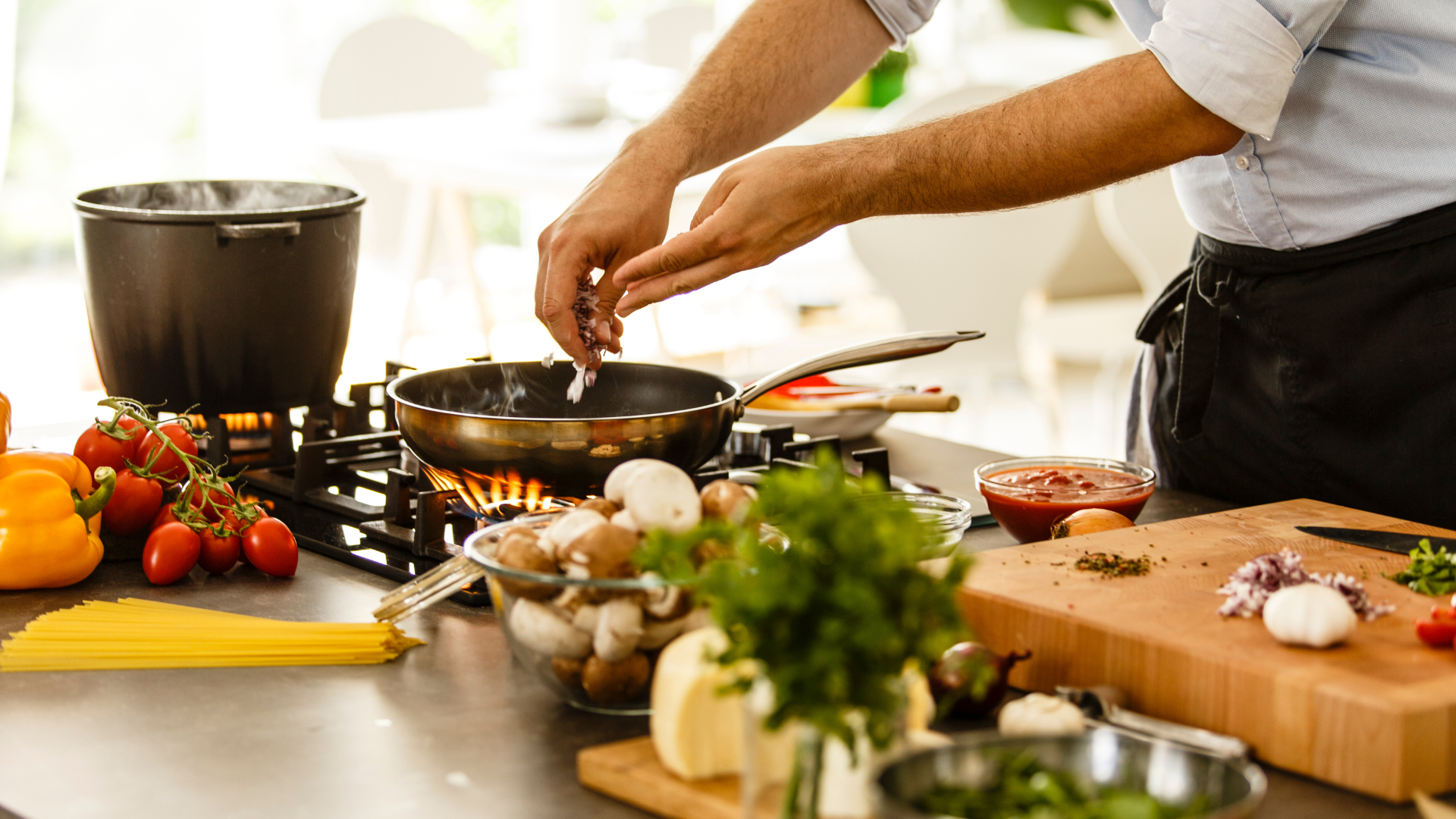
The Kitchen Is Your Metabolic Clinic
If you like to cook, you already have an edge. Vandana’s first step is time blocking and planning. Decide whether you will meal prep full dishes or prep mix-and-match building blocks.
Batch the “big three”:
- Vegetables: Chop a rainbow. Stock frozen veg for speed. Five minutes in a skillet or steamer gets a side on the plate.
- Protein: Press and cube tofu; bake, air-fry, or sauté with spices. Cook a pot of lentils or rinse canned beans 2 to 3 times to cut sodium by up to 40 percent.
- Whole grains: Make rice, quinoa, or millet ahead. Refrigerate overnight. Reheat all week.
Season like a pro: Keep turmeric, cumin, coriander, garam masala, chili, ginger, garlic, and fresh herbs ready. Flavor lets you reduce added salt, sugar, and oil while keeping meals satisfying.
Resistant Starch: The White Rice Trick No One Uses
You do not need to give up basmati or jasmine rice. Cook it, cool it, and reheat it. Cooling forms resistant starch that digests more slowly. Pair rice with beans, lentils, and fibrous vegetables, or mix in some cauliflower rice. The goal is balance, not removal.
Carbs Give Energy. Electrolytes Do Not.
Many people with low energy are simply too low on carbohydrates. Electrolyte drinks can help during heavy sweating or illness. They do not replace fuel. Your brain runs on glucose. Choose whole food carbs most of the time:
- Fruit in season
- Potatoes and sweet potatoes
- Whole grain breads and tortillas
- Beans, lentils, peas, and intact grains
Match portions to your hunger, activity, and blood sugar response.
Supplements: Helpful Only When They Fill a Real Gap
Food first remains the rule. When gaps exist, consider targeted support with professional guidance.
- Vitamin B12: Often needed for fully plant-based eaters. A simple sublingual tablet works for most.
- Vitamin D: Test first, supplement to the number. It is fat soluble, which means more is not better.
- Magnesium glycinate: Can support sleep and calm for some adults, especially midlife women, and may be low in people with blood sugar issues. Food sources still matter.
Quality check: Look for independent testing marks from reputable third parties on the label, and buy brands with transparent sourcing. Avoid “miracle” blends with proprietary amounts.
The Case for Whole Food Over Pills
Chewing, aroma, and visual cues start digestion and satiety. Whole foods deliver vitamins plus fiber, phytonutrients, and texture that tablets cannot. Supplements are tools, not a lifestyle.
Progress Is More Than a Scale Reading
Vandana zooms out with clients:
- Sleep quality
- Energy through the day
- Mood stability
- Digestion and regularity
- Post-meal glucose patterns
Small wins in these domains often show up before weight changes. Track them so you see what is improving.
Mindful Eating Beats Rule-Keeping
Diet rules drown out body wisdom. Mindful eating restores it.
Try this:
- Arrive: Take one breath before meals. Notice hunger on a 0 to 10 scale.
- Assemble: Build the balanced plate you can stick with most days. Half vegetables, then protein plus smart carbs, and a modest amount of healthy fat.
- Attend: Eat without multitasking for the first five minutes. Savor temperature, texture, and flavor.
- Assess: Pause halfway. Ask how satisfied you feel. Stop at enough, not stuffed.
- Audit: Keep a simple food-mood-hunger journal. No calories required. Note hunger before, satisfaction after, and how you feel two hours later.
Trigger foods are not moral tests. They are opportunities to practice permission and pacing. Many people find that a few slow, attentive bites satisfy cravings that used to spiral when foods were forbidden.
GLP-1 Medications: Make Them Work For You, Not Against You
If side effects are severe, do not white-knuckle through it. Talk to your prescriber about dose adjustments or a pause. Use the lower appetite window to practice:
- Three small balanced meals or two meals plus a planned snack
- Protein targets that protect muscle without going extreme
- Hydration and gentle movement to ease GI symptoms
- Mindful eating to keep a calm relationship with food
Best care is team care: physician for medication, dietitian for nutrition strategy, therapist for stress, body image, and behavior change. Sustainable outcomes come from all three.
Five Everyday Moves That Change Everything
- Post-meal walks: 5 to 10 minutes lowers the glucose rise in real time.
- Front-load fuel: Make breakfast and lunch do the heavy lifting. Keep dinner earlier and lighter when you can.
- Fiber upgrades: Add a cup of vegetables or a half cup of beans to one meal today.
- Protein sanity: Aim for about 20 to 30 grams at main meals, largely from plants; skip the “100 grams at all costs” fad.
- Sunday setup: Roast vegetables, cook a pot of lentils, bake a tray of tofu, and make a grain. You just created four weeknight dinners in 90 minutes.
A One-Day Indian-Inspired, Blood-Sugar-Friendly Menu
Breakfast
Masala tofu scramble with spinach and tomatoes, whole grain toast, side of papaya or berries
Lunch
Chana masala over reheated basmati rice, kachumber salad with lemon, cumin, and herbs
Snack
Roasted edamame or a small handful of mixed nuts, herbal tea
Dinner
Baingan bharta, tadka-spiced okra, small portion of rice or 1 roti, cucumber raita made with unsweetened yogurt
Hydrate with water. Walk 5 to 10 minutes after lunch or dinner.
Frequently Asked
Do I have to quit white rice?
No. Cook, chill, reheat, and pair with vegetables and legumes.
Are electrolyte drinks energy?
No. They replace minerals lost in sweat or illness. Carbohydrates provide energy.
Are supplements necessary on GLP-1s?
Sometimes, but get a dietitian’s plan first. Focus on nutrient-dense meals you can keep down and enjoy.
Can mindful eating help diabetes?
Yes. It improves pacing, satisfaction, and portion decisions, and reduces all-or-nothing cycles that sabotage glucose control.
Work With Vandana
Free 7-day plant-based meal plan, grocery list, and recipes are available on her site. You can also connect with her on Instagram, LinkedIn, and Facebook. Search VandanaSheth.com to find resources and contact details.
Want to know more about Vandana Sheth? Here are her social media channels: https://www.instagram.com/vandanasheth/?hl=en https://www.linkedin.com/in/vandanasheth/ https://www.facebook.com/VandanaShethRDCDE/ https://x.com/vandanashethrd
Keep Going With Me
Ready to reject diet rules and rebuild body trust with science and compassion
- Course: Deprogram Diet Culture at anew-insight.com
- Book: Deprogram Diet Culture in print, Kindle, and audio
- Podcast: Listen to this ANEW Insight episode with Vandana Sheth
View here the full podcast Transcript:
dr–supatra-tovar_3_06-30-2025_135334: [00:00:00] Welcome back to the ANEW Insight podcast. We are back for the second half of our interview with registered dietician, nutritionist, certified diabetes care and education specialist, seasoned media contributor and author Vandana Sheth. Vandana gave us some invaluable insight into her extensive background and how nutrition can help pre-diabetes and diabetes diagnosis.
I cannot wait to learn more, Vandana welcome back.
vandana-sheth_2_06-30-2025_135334: Thank you so much, Supatra. It was lovely chatting with you before and I can’t wait to dig deeper into some of these topics.
dr–supatra-tovar_3_06-30-2025_135334: Me too, and you’re just such a light. I just gotta say, you have the most lovely smile and just wonderful attitude, so I just like sitting here with you. It’s really fun. Back atcha. Thank you. So how do you guide clients who enjoy cooking to prepare meals that are both satisfying and supportive of health goals?
vandana-sheth_2_06-30-2025_135334: Great question. [00:01:00] When we think about wanting to cook, first of all, I get excited when a client tells me they want to cook. They love to cook. So that’s great because that right there is half the battle. Um, the second is blocking that time off, making sure we actually have a plan before we start cooking. So think about what are the components of your healthy meals?
Are you meal prepping for the week? Are you meal prepping just ingredients that you’ll mix and match throughout the week. So it depends on each client’s style is very different. We talk about what are their goals. So if it is blood sugar management, if it’s heart disease, if it is just overall healthy eating, our goal is to still get the basics.
Let’s get lots of vegetables in your plate. So maybe prep a whole bunch of vegetables. Just chop them up, have them ready to go. I even encourage buying frozen vegetables. There’s nothing wrong with them. They’re so convenient. They’re picked at peak freshness, so all the nutrients are locked in, so no excuses.
You have ’em in your freezer, you pull ’em up. Five [00:02:00] minutes later, you can have a stir fry or steam them up. So vegetables are the first thing I usually talk about. The second I talk about different types of proteins, and especially many of my clients, I love getting them to enjoy more plant-based proteins. So we talk about prepping your tofu in advance. So maybe squeezing that water out and either sauteing it or cutting it up into cubes, baking it, using your air fryer with different spices. That’s a great way to get that tofu ready in a big batch. We talk about maybe making a big batch of beans, or I’m a big fan of canned beans.
There’s nothing wrong with canned beans ’cause they simplify that cooking process. But I would encourage you to rinse it out two to three times. Because then you can reduce the sodium in that can by 40%. So little hacks like that. Um, I always suggest having spices and herbs on hand because that can add so much flavor and you can cut back on the added salt and sugar in your recipes and you don’t need a lot of oil or fat when you’re cooking. Just a [00:03:00] teaspoon can just give you enough to add that cooking essence that you need.
dr–supatra-tovar_3_06-30-2025_135334: I love it that those are so many of the things that I do in my kitchen, especially when you don’t have a ton of time. I love to batch cook. I love to use Sundays as the day where I like, you know, can make the, the meals for the week, keeping beans in my cupboard. That is absolutely essential. Prepping your tofu, the whole deal, like that just sounds like my house.
So, and I have to say that it really does help, especially if you are, you know, most of us are busy. If you have something already made, you know, it’s healthful, you know, you made it yourself. You know what ingredients are in there, you’re more likely going to eat that than ordering something out where you have zero idea.
And, you know, fun fact, I used to date a chef a long time ago. Oh, they put so much butter in every thing. So you gotta be careful when you’re going out because you just have no idea how much, um, salt and [00:04:00] fat are in, you know, the, the food that you’re getting out. And I can tell you it’s a lot.
vandana-sheth_2_06-30-2025_135334: It is.,
dr–supatra-tovar_3_06-30-2025_135334: It’s.
vandana-sheth_2_06-30-2025_135334: and it, you know, if you checked your numbers sometimes it’s shocking what
dr–supatra-tovar_3_06-30-2025_135334: Yeah.
vandana-sheth_2_06-30-2025_135334: the food can do.,
dr–supatra-tovar_3_06-30-2025_135334: Yes.
vandana-sheth_2_06-30-2025_135334: The one thing I didn’t mention is whole grains. So you know, prepping your, and I am a big fan of white fluffy rice. I grew up with basmati rice and jasmine rice as well. So if you are someone who enjoys that, you don’t have to give it up.
I would say cook it ahead of time. And then when you reheat it, there’s something called resistant starch, and what that does is it actually slows down the conversion to sugar in your body.
dr–supatra-tovar_3_06-30-2025_135334: Mm-hmm.
vandana-sheth_2_06-30-2025_135334: Mix it up. You don’t have to have the whole big serving that you would traditionally have, maybe mix in some cauliflower rice or have more of the beans and lentils, with the vegetables, and you can enjoy that white rice absolute.
dr–supatra-tovar_3_06-30-2025_135334: Yes. And so we really wanna just like really hammer this point. You do not have to have an entire plate of protein, an [00:05:00] entire plate of fat. If you have diabetes, you, it’s very important that you do still get whole sources of carbohydrates, and it’s really important to know that that is the only way you’re going to get energy.
Uh, this is another thing that I’m seeing a lot in these, uh, you know, these, uh, Facebook groups where they’re wondering why they don’t have enough energy. And then when they kind of go through their diet, it’s extremely low on carbohydrates. And then a lot of people will come in and say, just drink something with electrolytes.
Can we talk about that a little bit? How electrolytes do they actually give you energy like you would get from carbohydrates?
vandana-sheth_2_06-30-2025_135334: There’s nothing that can mimic eating the food. There’s nothing, right? These are all supplements. These are all things we can add to fill the gaps in our diet, but we don’t wanna make them the main source. So when possible. [00:06:00] Enjoying a real fruit that’s just delicious with got fiber, vitamins, minerals is just so good.
And right now it’s summer. If you go to your local grocery store or farmer’s market, there’s such amazing fruit and so use that. It can be potatoes, it can be a sweet potato, it can be a purple potato. It could be bread, tortilla, rice. You can have carbohydrates. Try to get it whole. Try to get one that has more fiber and really take your time enjoying it. Carbs are the biggest, quickest source of energy for your body, so we do need carbs, but let’s look at a portion. Let’s look at the type.
dr–supatra-tovar_3_06-30-2025_135334: Exactly. Let’s stop vilifying carbs. They are our main source of energy and they’re what our brains run on. Our brains are not meant to run on ketones. Our body is not meant to be in ketosis. It’s a highly metabolically acidic, and so we have to just try to, you know, bring back the carb, let’s. Let’s make the [00:07:00] carb, you know, the, the, the, the, the hero.
Yeah, it has its place and electrolytes just for people like that’s generally used if you’re very dehydrated. It’s not necessarily a form of energy, although when you are dehydrated, you might lose energy. Um, and you are replenishing those electrolytes that you lose. But it takes a lot for you to lose a lot of the electrolytes that you normally have, you have to really be doing some high endurance exercise and things like that, um, for, uh, you know, these electrolyte drinks to be doing much good.
Otherwise, just drink water. We just need water.
vandana-sheth_2_06-30-2025_135334: Yes,
dr–supatra-tovar_3_06-30-2025_135334: Yes,
vandana-sheth_2_06-30-2025_135334: Colorful vegetables and fruits because they
dr–supatra-tovar_3_06-30-2025_135334: exactly.
vandana-sheth_2_06-30-2025_135334: the potassium and all the other ingredients you need, and we add salt in our food, so most of us don’t need to supplement with that.
dr–supatra-tovar_3_06-30-2025_135334: Exactly. Now you just said the magic word that I was thinking of, supplements. That’s another thing I’m seeing a lot of people rely on. Um, [00:08:00] gimme your view of supplements. So I’m seeing people say, oh, you know, you’re gonna need your magnesium, you’re gonna need your B12 shots if you’re, you know, especially if you’re on these weight loss medications.
Give me a picture of your view of supplements. Do they help? Is whole food better? What? What should people be doing in terms of supplements?
vandana-sheth_2_06-30-2025_135334: So just like the word says supplements, it just means you supplement your diet with these single nutrients that you might have a gap in your diet with. So before we do recommendations for supplements, it’s really important that you meet with a dietician and get a customized plan for you. Because, you know, until we chat and know really what is your lifestyle like, okay, you’re on these medications.
Maybe they have suppressed your appetite significantly. You’re not getting three meals a day. Maybe you’re getting one meal a day. Then yes, there are big gaps. How are we gonna fit those gaps? And we can talk about individual nutrients that you might be missing. [00:09:00] As far as just general blanket recommendations,
I prefer not to do that because I don’t know you and your lifestyle and what’s going on with you, but. For most of my clients who are on a restrictive diet for different reasons, I would usually say maybe you might benefit from certain nutrients. So if you are someone who’s plant-based, I would say B12 is one.
That is a good idea, and you can do it as a single pill. It’s tiny. You can get it at your local grocery store. Just melts in your mouth because B12 primarily comes from animal products. So if you’re plant-based, that’s one I would say might be something you may wanna look at. Vitamin D is another one I would look at because most of us tend to be deficient, but before we do vitamin D supplements, it’s important to get your vitamin D status checked so that we know how deficient are you and are you actually deficient so that we can get you just the right amount of supplement daily.
dr–supatra-tovar_3_06-30-2025_135334: And speaking of that, we’re in, we’re both in L.A., Is the Sun enough?
vandana-sheth_2_06-30-2025_135334: Not really because what we are noticing, like of [00:10:00] course we all put sunblock when we are out in the sun to protect our skin. At the same time, that can be blocking the conversion of the inactive to the active form. A lot of us are not great converters to the inactive, to the active form. And so I have clients who are super athletic. I have high school students who are athletes during the summer. They’re doing camp. They’re six hours in the sun and they can be deficient in vitamin D. So really it’s important to test your vitamin D level with your. Blood panel and then get the right amount supplemented. Cause vitamin as you know, Supatra plays a huge role in terms of how we feel, our mood, our energy.
It can affect your blood sugar. So if you’re deficient, that’s one I would say we definitely wanna bring up.
dr–supatra-tovar_3_06-30-2025_135334: Mm-hmm.
vandana-sheth_2_06-30-2025_135334: the
dr–supatra-tovar_3_06-30-2025_135334: But we do have to be careful with vitamin D two because over consumption leads to what?
vandana-sheth_2_06-30-2025_135334: Well, it can build in your body. It’s not good. So any fat soluble vitamin A, D, E, and K build up. So that’s why it’s important to [00:11:00] test and get just the right amount that you need. the other one, magnesium that you mentioned, I often will have my clients, especially my female clients who are in their 40 plus stage of life, of age, um, because, uh, many of them have issues going to sleep. There’s a lot of anxiety and stress. So maybe taking like a magnesium glycinate at bedtime can help with that. And that’s just, again, something that’s individual. I wouldn’t just do a blanket recommendation, but there is data that says that, um often people who have type two diabetes or blood sugar concerns might be deficient in magnesium. So if that’s the case and you have pre-diabetes, we might look at your diet, about some magnesium rich foods, but also think about maybe a supplement a day might help.
dr–supatra-tovar_3_06-30-2025_135334: Let’s actually talk too about how like supplements, they’re not regulated, right? So how do, how are we supposed to know if we’re even getting what the supplement says? There’s been a lot of studies out there where they, they’re [00:12:00] showing the supplement says it’s containing this, and it contains zero.
vandana-sheth_2_06-30-2025_135334: Yes.
dr–supatra-tovar_3_06-30-2025_135334: that.
So like how do we even know, and we’re spending all this money on these supplements, how are we supposed to know what we’re getting?
vandana-sheth_2_06-30-2025_135334: So first of all, it’s important to get a reputable brand, but the second more important one is to actually look at the label and see if it’s been third party tested. It’s independently tested. There are, you will see little logos. Uh, there is, I believe, uh, I can get you that after our call, maybe you can put it in the show notes, but there are two, three different logos you can look for, but you wanna make sure it’s independently tested.
There are companies that do that, and that way they’ve tested to make sure it actually contains what it’s saying. It’s supposed to contain. And
dr–supatra-tovar_3_06-30-2025_135334: Well, oh, go.
vandana-sheth_2_06-30-2025_135334: Sorry, the ingredients. You wanna be careful because if you’re just getting a random supplement online, you don’t know where it was manufactured, what those rules were, what can be allowed in that ingredient, so it might actually be harmful.
So be careful
dr–supatra-tovar_3_06-30-2025_135334: Yes.[00:13:00]
vandana-sheth_2_06-30-2025_135334: with supplements.
dr–supatra-tovar_3_06-30-2025_135334: On top of that, supplements versus whole food sources, most science point to whole food sources being better than supplement sources. So what is your take on all of that?
vandana-sheth_2_06-30-2025_135334: I do believe, again, nothing can mimic whole foods because when we eat, first of all, digestion starts with our eyes. When you look at food it looks appealing. So saliva starts pulling in our mouth and it can start breaking down food right from our mouth all the way down. And that chewing. Breaking that food down allows our body to feel satisfied along the way, compared to having a pill that may give you the exact same nutrients, but really it doesn’t give you that satisfaction. You haven’t had that joy, that satisfaction of eating that food. On that flip side, there are some nutrients that if you are deficient, it might be hard to meet with whole foods.
You might need a large volume that may not be practical, so. Again, it’s nuanced. Each person’s needs are different, [00:14:00] but when possible, food first is my approach.
dr–supatra-tovar_3_06-30-2025_135334: Right. So maybe if somebody is relatively, but not incredibly deficient in magnesium, eating some nuts might be more beneficial to them and more by available to them than having a supplement where they’re not quite sure of the quality, or even if there is quantity in there.
vandana-sheth_2_06-30-2025_135334: yes.
dr–supatra-tovar_3_06-30-2025_135334: So we have to be a little bit more discerning.
I think we are living in kind of a magic pill society at this point right now, where we think, oh, you know, for all of these things we just can take a supplement or take, you know, this in injection. But I think what people are starting to see is more of the reality of that is that it’s more complicated,
vandana-sheth_2_06-30-2025_135334: It
dr–supatra-tovar_3_06-30-2025_135334: but.
And it doesn’t necessarily have to be, because really the science shows that the closer the food is to the ground, uh, and the more we eat of that, the better our health. So [00:15:00] on that note, um, you know, when somebody comes to you and they’re like stuck or frustrated with their weight loss program, how can you move them forward in a sustainable and realistic way, especially when we’re kind of in this, you know, weight loss medication, magic pill era.
vandana-sheth_2_06-30-2025_135334: First of all, it’s really important that we normalize and acknowledge their feelings, right? It’s their reality. They’re living this journey. It’s their journey, and we are here to support them. That’s the first thing we look at. The second is we zoom out. We don’t just focus on the food. We look at are you sleeping? Um, where’s your stress level? Um, are you eating enough during the day? We track your energy. We look at your mood. We look at your digestion. Um, we don’t just look at weight. When we look at progress, we are looking at so many other aspects of your life. Often clients will start noticing positive trends in other ways. Oh, yeah, I’m waking up feeling more energized. Oh, look at that. Yeah. [00:16:00] Yeah. The, the number didn’t shift on the scale, but you’re feeling better. Your mood is more elevated. So those are signs. So we start looking at those different aspects to get them excited and motivated. So progress again is not always linear when it comes to health. So we wanna make it meaningful. We wanna identify those key things that are shifting that they may not have paid attention to, so that they can also start celebrating those wins and continue on their journey.
dr–supatra-tovar_3_06-30-2025_135334: I love that you just said that because you also are a big proponent of intuitive eating. I am as well, although I prefer the term mindful eating just ’cause it’s older. It was there first. Um, but, and, and I do think that you are really onto something in that you are helping people tune into their bodies cues. I think that that’s where we kind of veer off into, you know, trouble. Especially when we are not paying [00:17:00] attention to these cues and we know, for example, you know, just our hunger hormone ghrelin, when we actually honor that as opposed to, oh, I’m just gonna drink water and I’m gonna ignore my hunger.
That actually leads us to more problems than if we just allowed our bodies what it’s asking for. And when we really get, um, you know, kind of deeply tuned into our body, our body’s also trying to tell us what it needs. You may get a vision of something you might, you know, you might see a big whole plate of pasta and your body might be telling you, hi, I need a lot of energy.
vandana-sheth_2_06-30-2025_135334: Yep.
dr–supatra-tovar_3_06-30-2025_135334: am really low. And so how do you help people kind of tap into that, uh, those natural cues? That our body is are, are giving us so that we can function better.
vandana-sheth_2_06-30-2025_135334: Yeah, I love that because yes, I do believe in the intuitive eating and mindful eating approach, and that’s why when someone comes to me for weight loss, I always let them know that that’s going to be, yes, I understand [00:18:00] that’s your goal, but first we need to look at holistically what’s going on in your life. Let’s put that on the back burner. That’s going to be a side effect. You will notice that weight loss will happen down the road, but right now let’s fix things that are not working. So, for example, you know, often it’s someone will come to me and say, it’s uh oh, I can’t believe I was so bad, or I had no willpower.
I this, I was at this party and I just gave in. It’s not about willpower, it’s about really you’ve cut out so many foods that your body savors and enjoys that it went crazy when you finally gave yourself permission, right? So it’s building that acknowledgement of where your body is at. So listening to your hunger and fullness cues, sometimes clients have no clue their bodies stop giving them clues because they’ve ignored hunger for so long, so they don’t even know what that feels like. So when they start feeling hungry more often. Well, that’s your metabolism working. You’re getting these signals. You’re paying attention. So let’s look at that. You mentioned maybe someone having visions of [00:19:00] pasta. Maybe that whole day you didn’t give yourself any carbs all day long. You were on the go, so your body actually needs those carbs.
Now let’s pair it with a salad and then some protein. Right. So there are little ways of getting you to where you wanna go, but listening to your body is key because when you start paying attention to what is it that makes me feel good, so often I’ll have clients do like a food mood journal. It’s not really identifying what you’re eating and how much calories, protein, we are not looking at that.
We’re just visually thinking about what did I feel like before I ate? Where was my hunger? Where was my mood? What do I feel like after I was done? Did that feel good in my body? Wow, that felt great. Okay. That’s a good one, right?
collecting those dots.
dr–supatra-tovar_3_06-30-2025_135334: that’s how I think we, you know, my book is Deprogrammed Diet Culture. Boop right there. And I think that we, we tend to pick up a lot of really strange rules from [00:20:00] diet culture. You know, you gotta skip breakfast. You, you have to put yourself in a calorie deficit and make sure that, you know, you’re, you’re cutting out 500 calories and what, whatever these rules are.
And what ends up happening, I think for a lot of people is that they, that’s why they lose the, the ability to know when they’re hungry or they’re full. Because they’re like, wait, but I’m, I’m only supposed to eat one meal a day and that’s supposed to, you know, be fine for me. Or I’m supposed to intermittent fast and you know, have two days where I don’t eat.
And that may completely unnatural for them and really stressful on the body and. They’re just kind of following these rules without really tuning in. And this is the work that I do with so many of my clients. I’m like, let’s just, can we throw out these rules? Let’s eliminate as much as possible diet culture’s influence.
So that may, you know, require people to really curate their social media feed to,[00:21:00]
vandana-sheth_2_06-30-2025_135334: Yeah.
dr–supatra-tovar_3_06-30-2025_135334: to stop watching any advertisements, to be careful around chronic, you know, dieters and people who have, you know good intentions, but maybe some not so great advice for them and have them really tune in. That’s why I prefer the term mindful eating, because mindfulness is an open-hearted, non-judgmental awareness of the present moment.
And when you do that in context with your body, you’re throwing out the judgment or the shoulds or the rules, and you are really tuning in with an open heart to your body, and your body is just gonna tell you. It’s going to give you these signals, it’s going to tell you what it needs. And when we honor that and try to eliminate some of these more, um, unhelpful influences, that’s when you see a lot of turnaround for people, especially people with eating disorders.
Those are people that
vandana-sheth_2_06-30-2025_135334: Yes.
dr–supatra-tovar_3_06-30-2025_135334: I treat. Um. When you learn how to [00:22:00] trust your own body, again, that’s a really miraculous thing. When people start to actually tune into their hunger and and know when they’re physiologically hungry and really stay present while they’re eating, then their body’s also gonna give them that signal, especially when we’re eating slowly.
Hey, this might be a time for you to slow down, for you to stop. That’s often how people can, you know, return to a weight that they might wanna be at just naturally without even dieting. Gimme a picture of that in your practice, how you encourage that?
vandana-sheth_2_06-30-2025_135334: I love that you painted that picture because that sounds very similar to what I do and the three buckets of clients that I serve are clients who have, uh, diabetes, pre-diabetes, blood sugar issues, um, clients who are on a plant-based journey, and clients who actually are having some kind of disordered eating or eating disorders.
So yes, we definitely have an overlap [00:23:00] there. As far as the rules go. That’s why I like to keep it simple. I like to keep it science-based, but really going back to what are your goals? How can we get you there while also thinking in terms of abundance rather than restriction. So we look at what are your favorite foods?
What are you craving? What have you not given yourself permission to eat? Let’s figure out a way to bring those foods back into your life. And where are these rules coming from? Maybe there was, you know, some peer pressure, maybe it was parenting. Who knows, right? We pick up these rules along the way in our lives. Um, so, and then there are some scary moments for clients, especially if they’ve not given themselves permission to have something. So one of the things we do is I actually have them bring a trigger food or one that they’re nervous about eating into the office or virtually through our telehealth platform, and we do a guided. eating exercise where I have them actually smell, taste, savor that food. [00:24:00] And it’s really interesting some of the results after we are done. I had a client, for example, who absolutely loved this candy bar, which had peanut butter in it. She was at the stage where she could never eat just one. It was always two.
It would be the bigger size, not the mini version. And she would hide the wrappers. In the trash. She didn’t, she was embarrassed that she couldn’t stop eating with one. And so we did this activity and she was nervous. As we started, she’s saying, are you sure I should buy this? I said, yeah, let’s do it. she couldn’t even finish the first one. She had just three bites of the first bar, and she literally took a picture and started crying. She said, I’m texting this to my husband because I’ve never been able to stop with this, and I, I actually feel satisfied.
dr–supatra-tovar_3_06-30-2025_135334: Yay.
vandana-sheth_2_06-30-2025_135334: right?
dr–supatra-tovar_3_06-30-2025_135334: Oh, I love those moments. I think that they’re beautiful and that’s why throwing out the rules and really tuning into your body [00:25:00] can be the key to everything. And on that note too, say somebody is on a weight loss medication and they’re having horrible side effects, like we’re talking like very, very bad side effects, uh, intractable vomiting, uh, diarrhea, constipation that lasts for days.
They know that something is not right in their body.
vandana-sheth_2_06-30-2025_135334: Mm,
dr–supatra-tovar_3_06-30-2025_135334: What is your advice to them? What would you suggest for them? Do they just barrel through and continue on? What do they do?
vandana-sheth_2_06-30-2025_135334: there are options, right? First of all, have that conversation with your physician discussing why are we on this medication? Where are we on this dosage? Could we maybe cut back on the dosage? Maybe you don’t need the amount you’re taking. Maybe you could just get a smaller dosage and that might taper off some of the symptoms because as you progressively go up in dosage, that’s when some of those side effects really take on. Um, and also pay attention to how you’re feeling as far as those side effects [00:26:00] goes with the lower dosage. If you’re feeling okay. Then let’s leave it there. But if really you’re that miserable, it’s not sustainable for your quality of life, it might be a conversation about what other options do we have?
Do we need to be on this medication? Maybe we need to address some other aspects in terms of medications and just take a break from this medication.
dr–supatra-tovar_3_06-30-2025_135334: Yeah.
vandana-sheth_2_06-30-2025_135334: You really wanna live life fully and not feel like you’re so uncomfortable all the time where you can’t pay attention to anything else. So.
dr–supatra-tovar_3_06-30-2025_135334: It has to be really hard for people because I think when they get to that, um, you know, that point where they’re like, may, maybe I need to try weight loss medication. They think maybe that they’ve failed. That they have tried everything and it’s failed, and then they get to that point and it becomes another failure.
I think that that’s why it’s so important, not only to talk to the your doctor, but to talk to a dietician. Doctors have had, at this [00:27:00] point, now, they’re not even, most medical schools are not even requiring them to have an ounce of nutritional science education, zero so that you know, oftentimes what you might be getting from your doctor might be that recycled diet culture advice.
We need to have, you know, a multidisciplinary approach to this because. And dieticians, I think really need to come to the forefront of this because we have a better understanding of how food affects the body
vandana-sheth_2_06-30-2025_135334: Mm-hmm.
dr–supatra-tovar_3_06-30-2025_135334: than doctors. It’s not to say we’re better. We need to work in conjunction. Doctors know the body, they know how medications work, we know how food works.
Um, and then also to start to trust yourself.
vandana-sheth_2_06-30-2025_135334: Agreed, and I actually ideally prefer that a client work with me, work with a therapist,
dr–supatra-tovar_3_06-30-2025_135334: Yes.
vandana-sheth_2_06-30-2025_135334: work with their physician
dr–supatra-tovar_3_06-30-2025_135334: That’s.
vandana-sheth_2_06-30-2025_135334: it’s that trifecta that brings that whole body perspective to the client because we need to stay in our lanes as [00:28:00] to what we focus on. But I, especially with someone who’s on a medication like this, having serious side effects, you know, there’s a lot of, um, emotion that goes into taking this medication, wanting to stick it out. Having a therapist can be amazing. So I usually encourage my clients to have therapy as well as work with the physicians. So. Ideally in the ideal world when a client or a patient is given a prescription for a GLP one or any of these medications, that it comes automatically with a referral to a dietician because really it needs to come together.
dr–supatra-tovar_3_06-30-2025_135334: Yes. And a therapist. I will. This is big reason why I actually went on to get my doctorate. ’cause I was like, I wanna. I wanna cover both bases. I wanna know everything about physical health and also how to augment somebody’s mental health, uh, because they’re intricately tied. If you see that, usually anybody who might have difficulty physically, whether it’s, you know, their weight, whether it’s an eating disorder, whatever it [00:29:00] is, diabetes, there’s usually aspects from childhood things that they’ve picked up, attachment breaches, you name it, that will.
You know, take somebody down a less helpful, uh, road, um, in terms of their mental and physical health. So yes, it’s hard, but. If you can get the support of a dietician and a therapist, um, as, as well as your medical doctor, when you’re on something as serious as these medications, you are going to have a much better outcome that can be sustainable.
So, Vandana, how do people get ahold of you? How do they work with you? Because I’m sure they’re going to want to after this
vandana-sheth_2_06-30-2025_135334: Thank you again, Supatra. It’s been such a joy talking to you. We could just go on forever, right?
dr–supatra-tovar_3_06-30-2025_135334: For ever.
vandana-sheth_2_06-30-2025_135334: Yes. Um, I, if any of the conversation resonated with your audience, I would love for them to connect with me on Instagram. On LinkedIn. I’m on Facebook. I do have some free resources on my website. I have a seven day, [00:30:00] uh, plant-based, uh, meal plan with the grocery list and recipes if anyone wants to download that. We do weekly newsletters. My website is a great resource. It’s just VandanaSheth.com Um, and again, find me on Instagram or LinkedIn. I’d love to continue this conversation.
dr–supatra-tovar_3_06-30-2025_135334: That’s how I met Vandana. I found her on LinkedIn and I was like, Ooh, ooh, ooh. She is amazing and I need to know her. So I’m so glad we connected and I know we’ll probably be connecting in person sometime here or in, uh, Orlando for , uh, the, the dietician geeky, um, conference, in case you guys didn’t know, conference out, geek out.
Um. But I would love to have you back on at some point to talk more about this stuff because I really wanna make it my mission to help people as holistically as possible, and you are a definite, uh, shining light in this field.
vandana-sheth_2_06-30-2025_135334: Thank you so much, Supatra. It was such a joy. I really, [00:31:00] really enjoyed it.
dr–supatra-tovar_3_06-30-2025_135334: Oh, me too. And thank you everyone for tuning into the ANEW Insight podcast. I look forward to my next exciting interview, and I really hope you join me next time.
vandana-sheth_2_06-30-2025_135334: Take care.
Recent Comments