
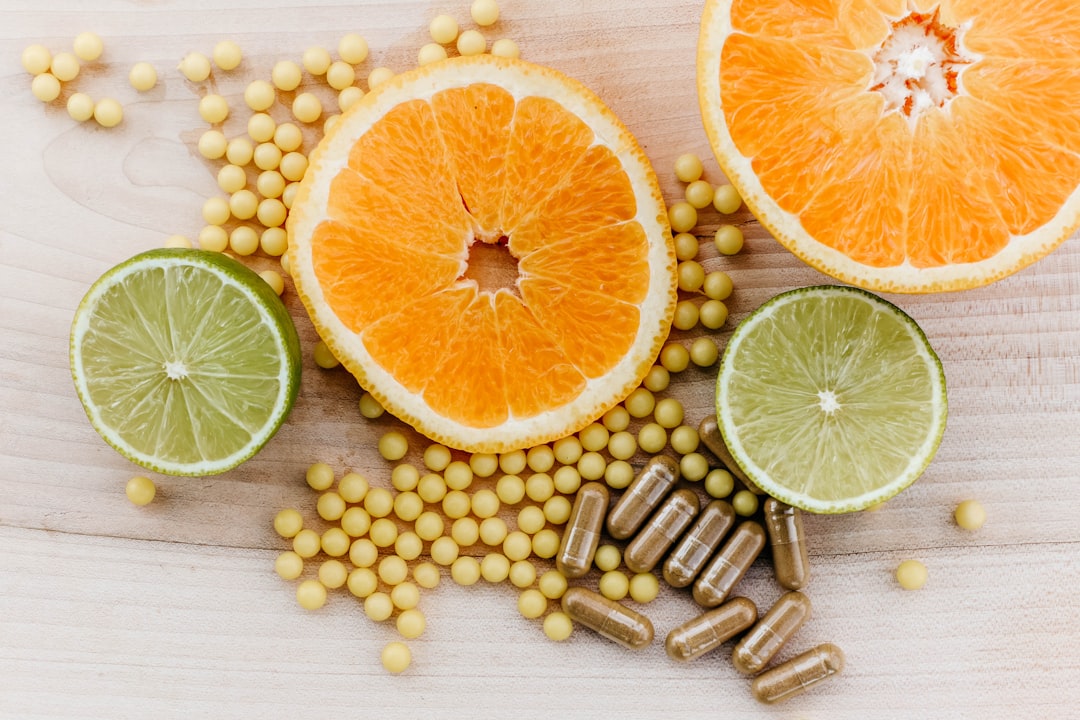
 Supplements are often marketed as the solution to nutritional deficiencies, but the evidence continues to show that whole foods provide more comprehensive health benefits. Unlike isolated nutrients in supplements, whole foods offer synergistic effects that support absorption, regulation, and long-term health outcomes. This article explores why food should remain the foundation of nutritional strategies.
Nutrient Synergy and Bioavailability
Whole foods provide nutrients within a complex matrix that includes vitamins, minerals, fiber, and phytochemicals. These components interact to enhance bioavailability, something supplements cannot replicate. For example, studies highlight how plant-based compounds improve absorption of minerals and vitamins, leading to better outcomes than isolated supplements (Rodriguez-Casado, 2016).
Whole Foods Outperform Supplements in Clinical Outcomes
When comparing whole foods to supplements, clinical trials often demonstrate stronger health outcomes from foods. For instance, a meta-analysis comparing lycopene supplements to tomato-based foods found that while lycopene lowered blood pressure, tomatoes offered broader cardiovascular benefits, likely due to the synergistic presence of other compounds such as polyphenols and vitamins (Cheng, et al, 2017).
Risks of Supplement Overuse
Supplements also carry risks of toxicity and nutrient imbalance, particularly when consumed at high doses. Unlike foods, supplements can easily exceed safe upper limits. A meta-analysis of vitamin E supplementation, for example, linked high doses to an increased risk of all-cause mortality (Miller et al., 2005). Whole foods, by contrast, rarely create such risks.
Practical Guidance
• Emphasize dietary diversity and variety in whole-food sources.
• Reserve supplements for clinically confirmed deficiencies (e.g., vitamin D, B12).
• Combine foods to optimize absorption, such as pairing vitamin C with iron-rich plants or healthy fats with fat-soluble vitamins.
Final Thoughts
While supplements can serve a purpose in correcting deficiencies, the foundation of good health remains rooted in whole foods. They not only provide essential nutrients but also deliver protective compounds and synergistic benefits that science has shown cannot be replaced by pills or powders.
References
Cheng, H. M., Koutsidis, G., Lodge, J. K., Ashor, A., Siervo, M., & Lara, J. (2017). Tomato and lycopene supplementation and cardiovascular risk factors: A systematic review and meta-analysis. Atherosclerosis, 257, 100–108. https://doi.org/10.1016/j.atherosclerosis.2017.01.009
Miller, E. R., Pastor-Barriuso, R., Dalal, D., Riemersma, R. A., Appel, L. J., & Guallar, E. (2005). Meta-analysis: High-dosage vitamin E supplementation may increase all-cause mortality. Annals of Internal Medicine, 142(1), 37–46. https://doi.org/10.7326/0003-4819-142-1-200501040-00110
Rodriguez-Casado, A. (2016). The health potential of fruits and vegetables phytochemicals: Notable examples. Critical Reviews in Food Science and Nutrition, 56(7), 1097–1107. https://doi.org/10.1080/10408398.2012.755149
Recent Comments